


Facial Surgery

Eyelid Surgery (Blepharoplasty) in Melbourne

Eyelid surgery (blepharoplasty) reshapes the upper eyelids, the lower eyelids, or both. Upper and lower eyelid surgery address different concerns and are planned differently, so each has its own page. Similar concerns can have different causes, including brow position, so assessment comes first.

Upper or lower eyelid surgery?

Upper eyelid surgery

Upper blepharoplasty may be considered for heavy or hooded upper lids, a less visible crease, or excess skin that sits on the lashes and, in some cases, reduces the upper field of vision. It is usually performed under local anaesthetic with sedation as a day procedure.

Upper blepharoplasty in Melbourne →

Lower eyelid surgery

Lower blepharoplasty may be considered for under-eye bags, hollowing or shadowing along the lid–cheek junction, or loose lower lid skin. It is performed under general anaesthetic as day surgery.

Lower blepharoplasty in Melbourne →

When the concern involves more than the eyelid

Upper and lower eyelid surgery can be combined when both are involved. Heaviness above the eye sometimes comes from brow descent rather than eyelid skin, and hollowing may relate to volume loss. In these cases a brow lift or facial fat transfer may be discussed.

Dr Rodrigo Teixeira (FRACS) specialist plastic surgeon in Melbourne

Learn more about Dr Rodrigo Teixeira and his approach to plastic surgery and patient care.

Our approach

Dr Rodrigo Teixeira’s approach

Planning begins with assessment of eyelid anatomy, brow position, eyelid support and eye surface health. The approach aims to balance form and function and maintain natural eyelid contour. In selected cases a tissue-preserving plan may be preferred, as excessive removal of skin or fat can contribute to hollowing or tightness over time.

Dr Rodrigo Teixeira

Informed consent

Risks and Considerations

As with any surgical procedure, blepharoplasty involves risks and individual outcomes vary. These may include bruising, swelling, dry or irritated eyes, temporary difficulty closing the eyes, changes in eyelid contour and scarring; rarer complications include bleeding, eyelid malposition or vision disturbance. The risks specific to each operation are set out on the upper and lower blepharoplasty pages and discussed at consultation.

Aftercare

What to expect during recovery

Recovery depends on the procedure performed and individual healing. Swelling, bruising and tightness are common in the first week and usually improve over 7 to 10 days, while scars continue to mature for several months. Timeframes for sutures, work and exercise are covered on the upper and lower blepharoplasty pages.

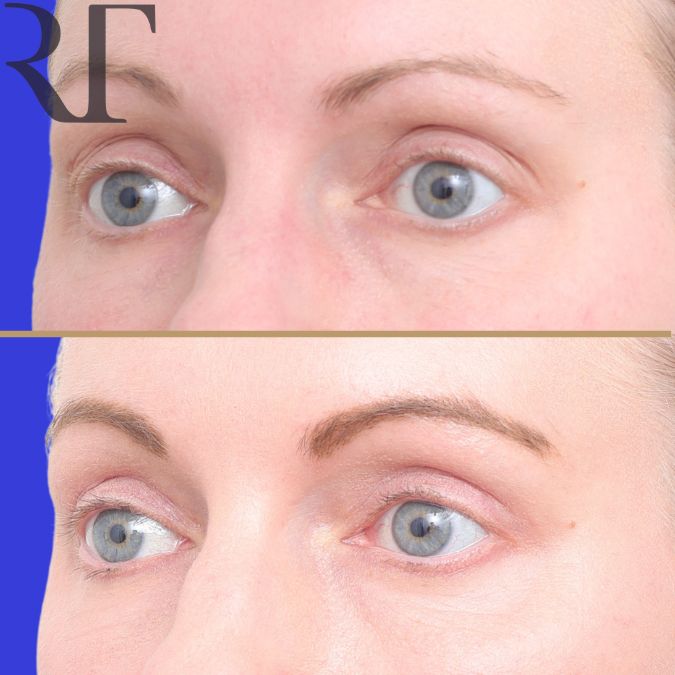
Upper blepharoplasty before and 3 months after, three-quarter view, other side

Eyelid Surgery – Before & After Gallery

Our Clinic in Ivanhoe East, Melbourne

Dr Rodrigo Teixeira Plastic Surgery is located in Ivanhoe East, around 10 kilometres from Melbourne’s CBD. Our clinic on Lower Heidelberg Road is easily accessed, with convenient parking nearby, and provides a calm, welcoming environment designed for comfort and discretion.

On arrival, the reception team assists with check-in and helps coordinate appointments. Care is centred on clear communication, appropriate pre-operative assessment, and structured follow-up after surgery.

Questions

Eyelid Surgery FAQs

Not always. A heavy or hooded appearance may relate to excess skin, brow descent, or true eyelid ptosis (a lower eyelid margin). Assessment helps clarify the main contributor.

Not always. Puffiness can relate to fat prolapse, but shadowing can also be driven by tear-trough hollowing, skin quality, and cheek support. More than one factor may be present.

In some cases, excess upper eyelid skin can reduce the upper field of vision. A clinical assessment is needed to determine whether concerns are functional, cosmetic, or a combination.

The aim is usually to improve eyelid contour while preserving eyelid support and eye protection. During healing, swelling and tightness can temporarily change appearance. Longer-term changes in contour are a known risk and are discussed during consultation.

Recovery varies. Swelling and bruising are common early and typically improve over the first 1–2 weeks, while more subtle swelling can take longer to settle. Timelines differ between upper and lower eyelid surgery.

A combined approach may be discussed when concerns involve both the upper and lower eyelids, such as upper lid hooding alongside under-eye bags or shadowing, based on anatomy, eye health, and recovery planning.

Journal

Plastic Surgery Blog

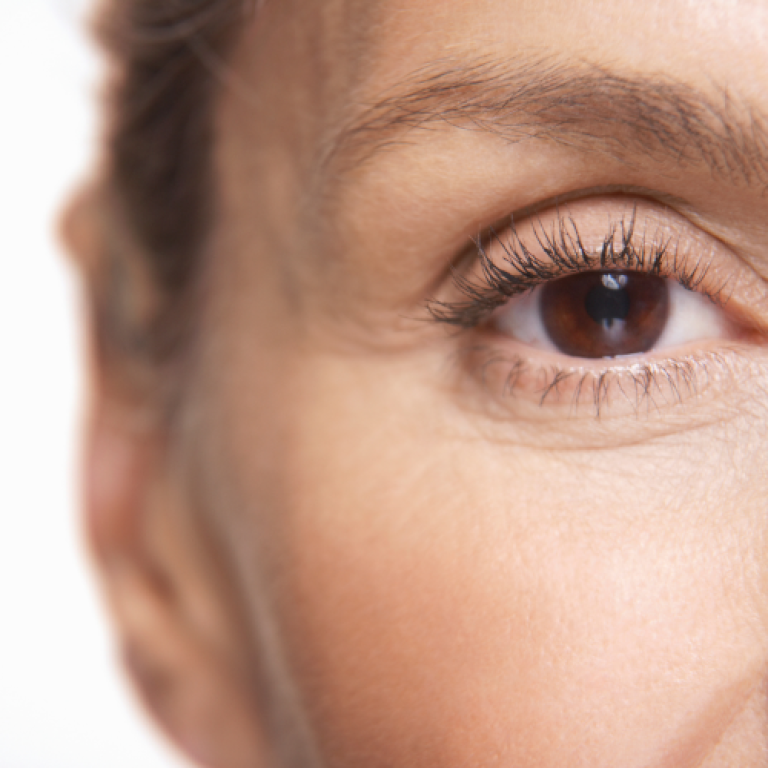
Close-up of a woman's upper eyelid

Exploring Upper Eyelid Surgery: Common Concerns, Timing, Expectations and Recovery

Common concerns about upper eyelid surgery, when it may be considered, what to expect on the day and how recovery usually progresses.
Read More →
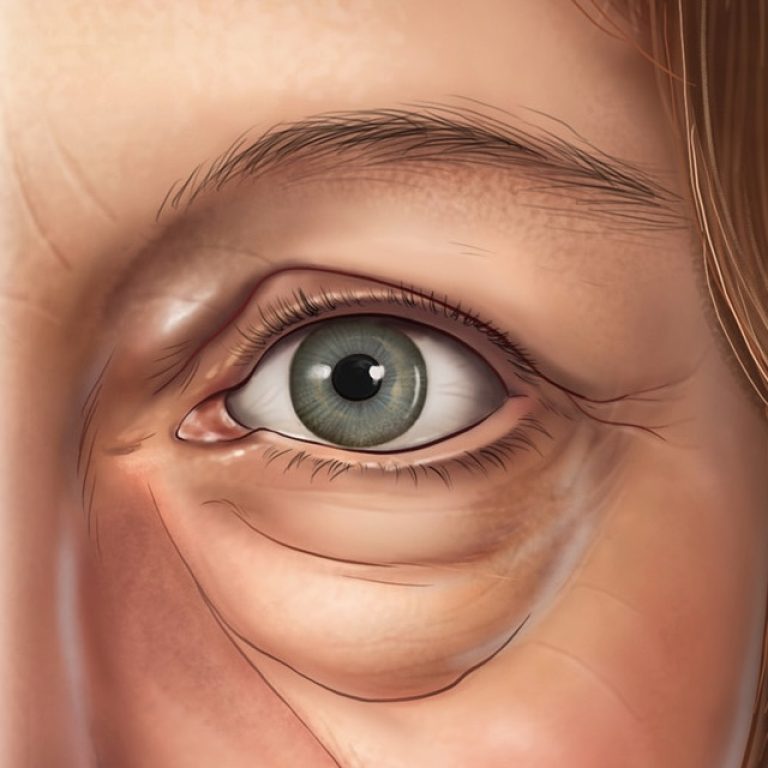
upper and lower eyelid skin excess, muscle laxity and fat pad prominence

Lower Eyelid Surgery: Under‑Eye Bags & Tear Trough Treatment Guide

Why under-eye bags and hollowing develop, and when non-surgical treatment or lower eyelid surgery may be appropriate.
Read More →
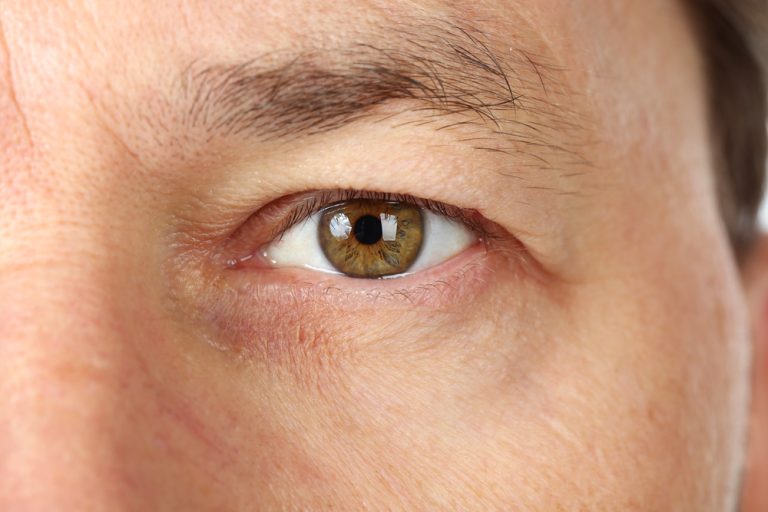
Close-up of a man's eye showing upper eyelid skin hooding

Understanding the Differences between Eyelid Ptosis & Dermatochalasis

Droopy eyelids can come from a weak lifting muscle (ptosis) or excess skin (dermatochalasis). How to tell them apart and why it matters.
Read More →
Eyelid surgery markings

Blepharoplasty Risks and Recovery Insights

The risks of eyelid surgery, how they are reduced, and what recovery after blepharoplasty usually involves week by week.
Read More →
Scroll to Top