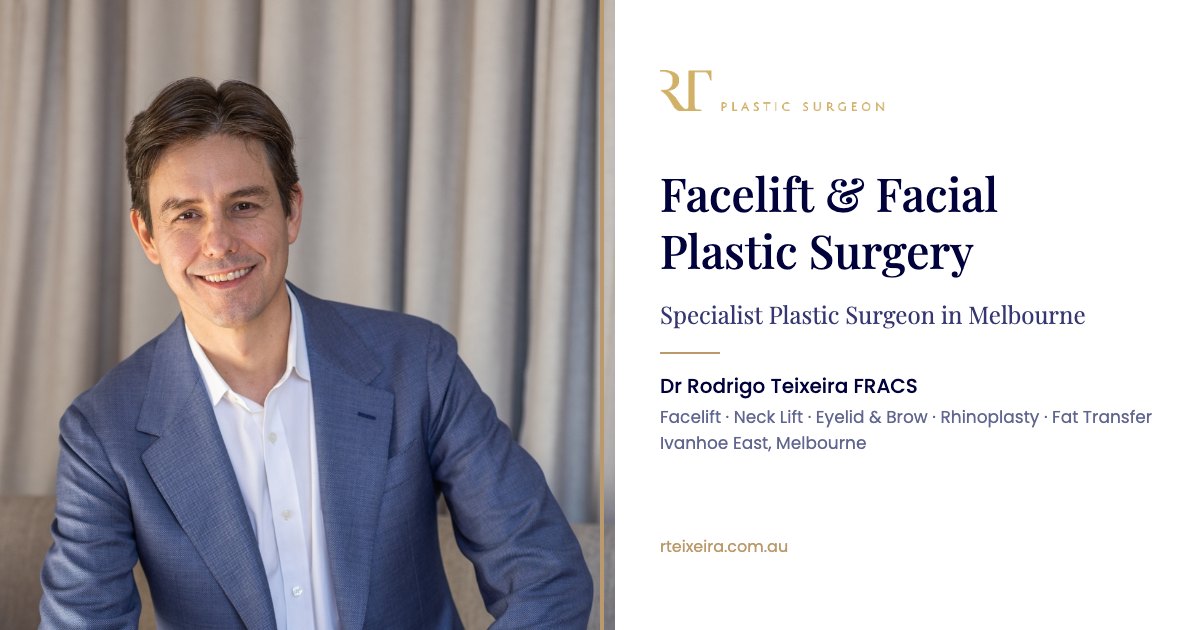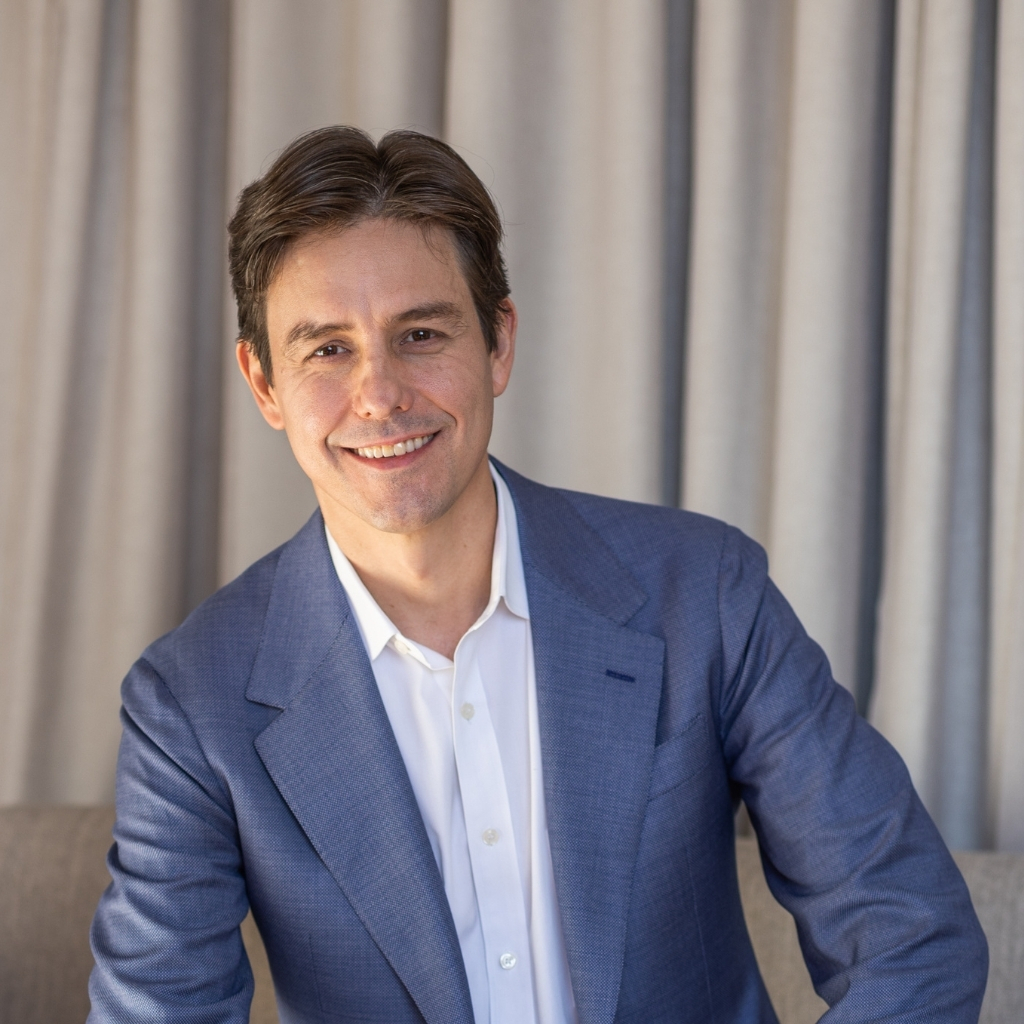



Dr Rodrigo Teixeira
Specialist Plastic Surgeon
in Melbourne
“Facial surgery should begin with careful assessment, followed by thoughtful planning, precise surgery, and structured post-operative care”
MD, FRACS (Plast.)
Dr Rodrigo Teixeira
Specialist Plastic Surgeon
in Melbourne
“Facial surgery should begin with careful assessment, followed by thoughtful planning, precise surgery, and structured post-operative care”
MD, FRACS (PLAST.)
Dr Rodrigo Teixeira, FRACS
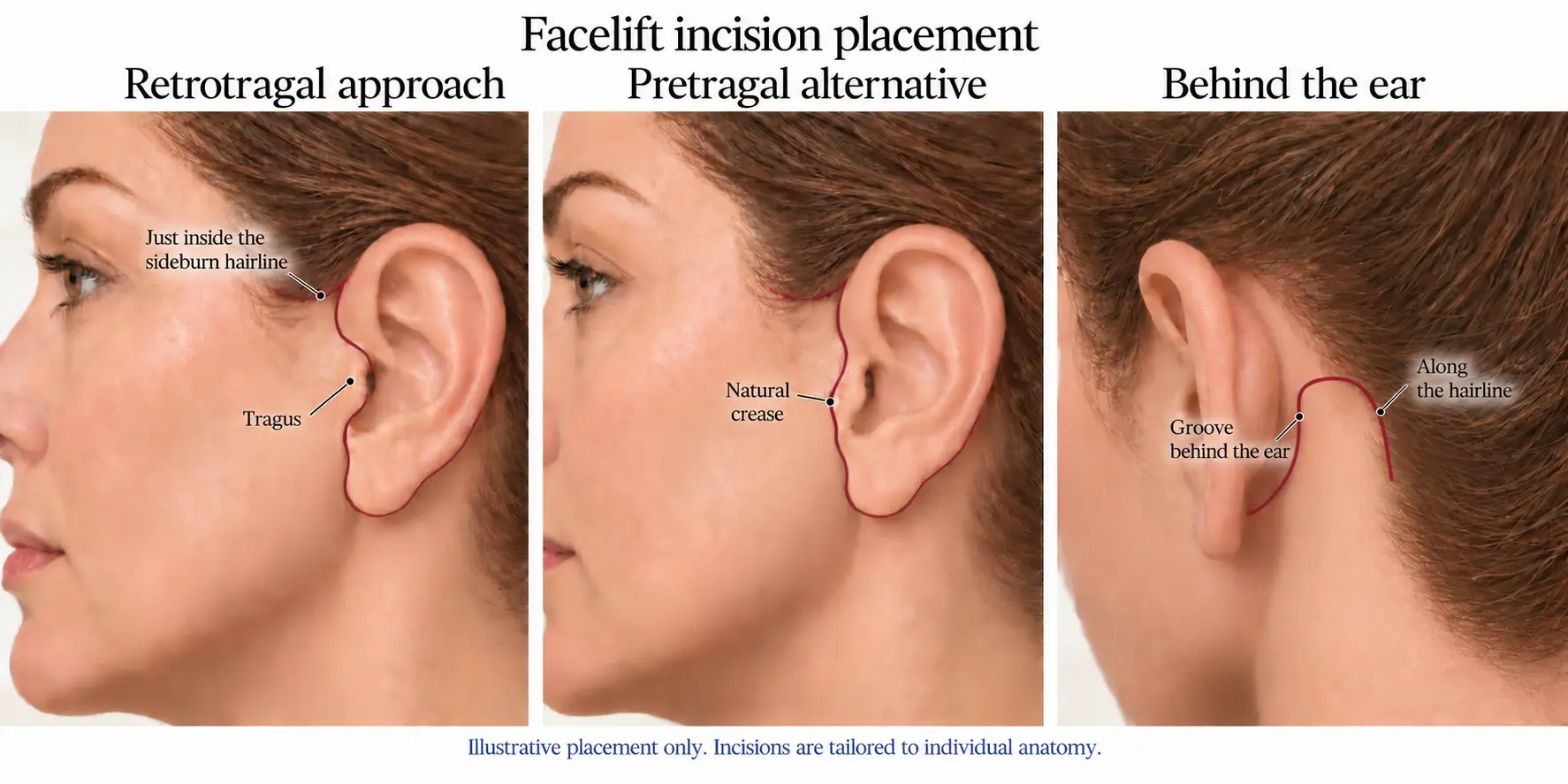
Dr Rodrigo Teixeira is a Specialist Plastic Surgeon in Melbourne with a practice focused on facial plastic surgery, including facelift surgery (rhytidectomy), rhinoplasty, eyelid surgery (blepharoplasty), neck lift, brow lift, and related procedures of the face and nose. Where appropriate, his surgical planning may incorporate deep plane or endoscopic techniques, guided by individual anatomy and clinical assessment.
His facial surgery practice is shaped by fellowship training in advanced aesthetic plastic surgery and craniofacial and cleft surgery, together with more than a decade of reconstructive facial surgery experience in Australia and internationally. This background supports his anatomy-led approach to facial structure, function, and surgical planning, with recommendations tailored to the individual.
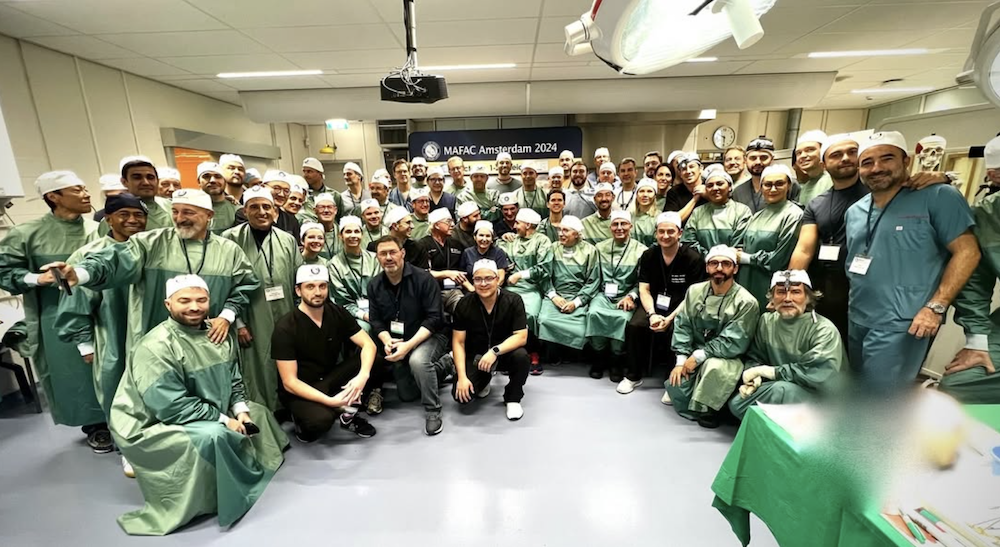
Dr Teixeira is a faculty member of the Mendelson Advanced Facial Anatomy Course (MAFAC), a leading international program in facial anatomy and surgical education for plastic surgeons. His involvement reflects an ongoing commitment to advanced anatomical teaching and careful, individualised planning in facial surgery.
Facial surgery focus
Surgery for the face, nose, eyes, and neck, with aesthetic and reconstructive experience.
Anatomy-led planning
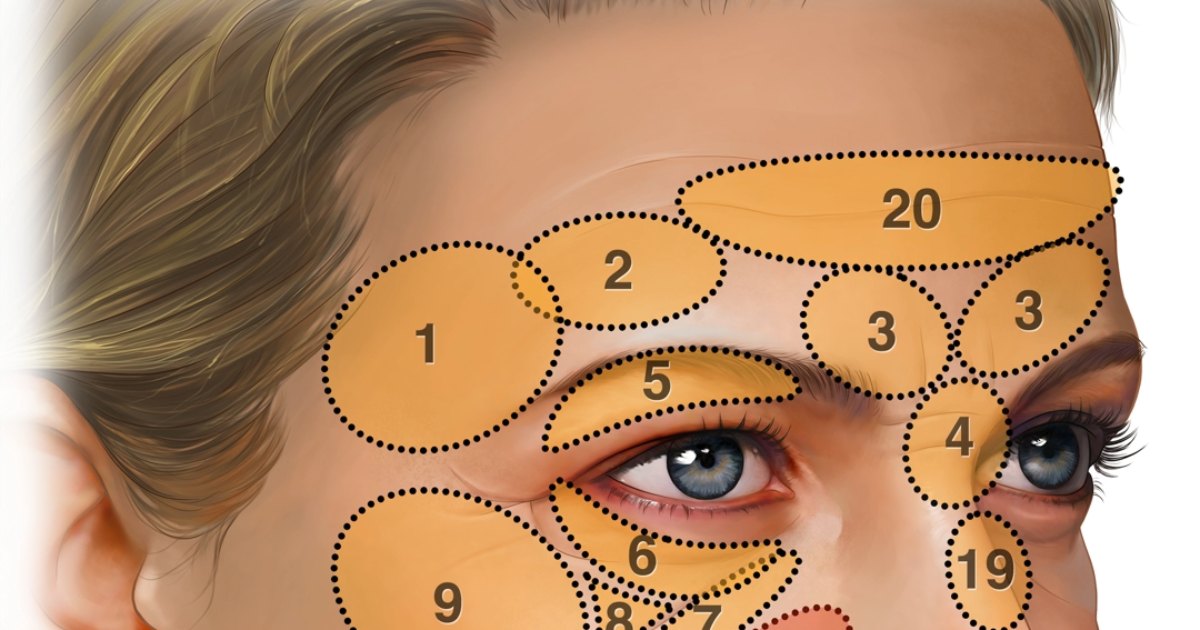
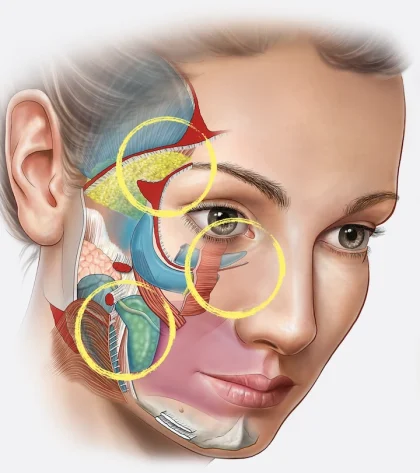
Many visible concerns reflect deeper anatomy rather than surface changes alone.
Why Assessment Matters
Looking Beyond the Surface
Many aesthetic concerns are surface expressions of deeper anatomy. What appears to be a single visible issue may reflect underlying bone, cartilage, soft tissue support, movement, skin quality, or function. Because ultimately, everything we do comes back to anatomy.
This is also where experience makes a difference – assessment is not only about identifying what is visible, but understanding what is driving it, what may be changed safely, and whether surgery is the most appropriate option. In some cases, this may mean surgery. In others, it may mean a different procedure, a staged plan, or no surgical treatment at all.
Surgical Areas of Practice
Dr Teixeira’s practice is focused on surgery of the face, nose, eyes, and neck. He also performs selected breast, body contouring, and reconstructive procedures, with recommendations guided by careful assessment and individual anatomy.
Face
Facial surgery includes facelift, neck lift, and eyelid procedures, planned with attention to anatomy, balance, structural support, and function. Recommendations are tailored to the individual rather than the visible concern alone.
Nose
Rhinoplasty may address concerns related to nasal shape, tip position, asymmetry, structural support, and breathing. Planning considers both appearance and function, with the approach guided by anatomy and individual goals.
Breast
Breast surgery includes procedures such as augmentation, reduction, and mastopexy, depending on anatomy, goals, and functional concerns. Planning considers tissue characteristics, proportions, and what may be appropriate for the individual.
Body
Body contouring procedures may include abdominoplasty, liposuction, arm lift, or thigh lift, based on skin quality, tissue support, and the area being treated. Planning is tailored to the individual and the extent of surgery required.
Integrated Facial Aesthetics Care
Dr Rodrigo Teixeira has developed his Melbourne practice with a dedicated focus on facial aesthetics, bringing together surgical and non-surgical care through careful assessment, multidisciplinary care, clinical oversight, and long-term treatment planning.
Unveil Aesthetics supports this vision by providing non-surgical care where surgery is not indicated, or where skin quality, preparation, recovery, or maintenance may form part of a broader plan.
Recommendations are made after assessment and may include skin treatments, energy-based therapies, regenerative treatments, or other supportive options where clinically appropriate.