Eyelid Surgery
Lower Blepharoplasty
(Lower Eyelid Surgery) in Melbourne
Dr Rodrigo Teixeira FRACS, Specialist Plastic Surgeon
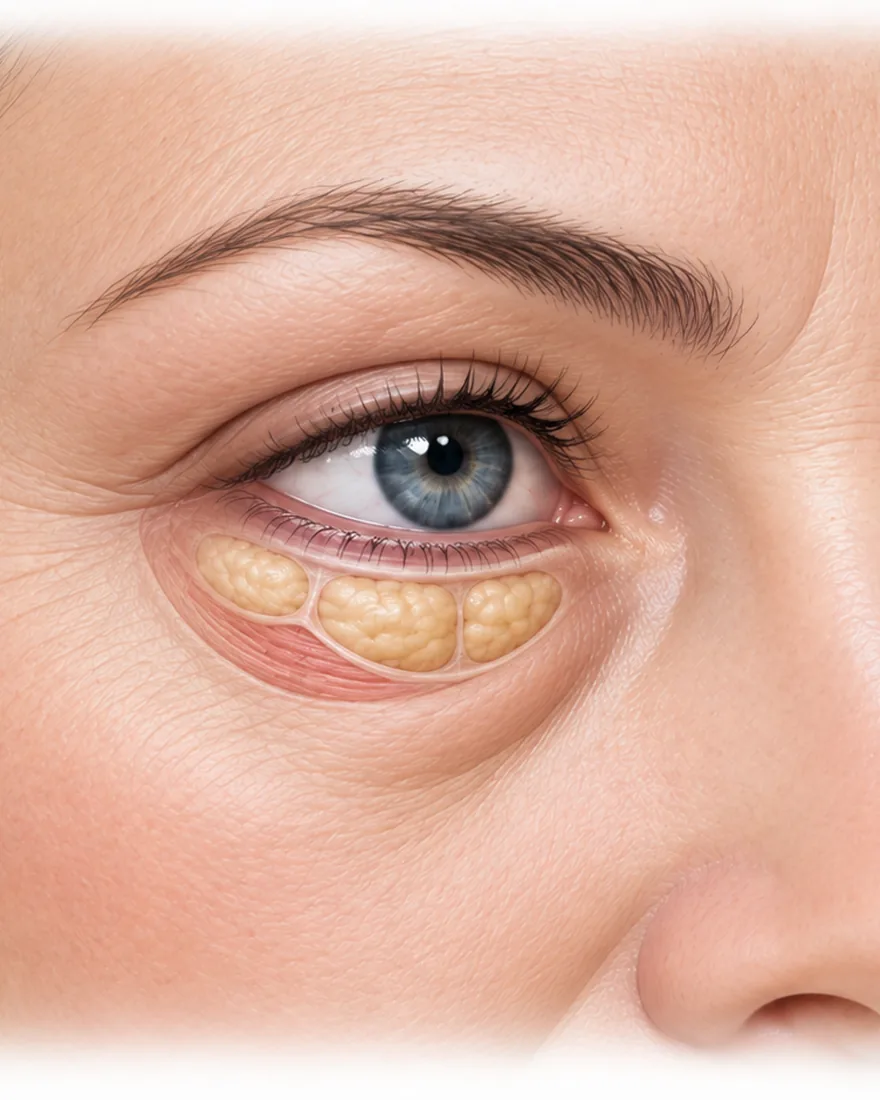
Lower blepharoplasty (lower eyelid surgery) treats under-eye bags, loose skin, fine creasing and shadowing where the eyelid meets the cheek. Dr Rodrigo Teixeira performs it by removing or repositioning tissue while keeping the lower eyelid supported. The aim is a smoother under-eye contour and comfortable eyes.
What is Lower Blepharoplasty (Lower Eyelid Surgery)?
Depending on anatomy, surgery may involve adjusting fat, tightening skin and supporting the lower eyelid. Under-eye changes can develop over time due to genetics, ageing and skin quality.
Lower blepharoplasty may be considered when concerns relate to under-eye fullness, shadowing at the lid–cheek junction, skin laxity, or tear-trough hollowing. Because under-eye concerns are often multi-factorial, assessment helps clarify the main contributors and what is more or less likely to change with surgery.
For an overview of eyelid surgery options, see Eyelid Surgery in Melbourne (Blepharoplasty).

Learn more about Dr Rodrigo Teixeira FRACS
Common lower eyelid concerns
Lower blepharoplasty may be considered for the following concerns:
- Under-eye fullness (“bags”) related to fat prolapse and/or tissue laxity
- Shadowing beneath the eyes, often linked to the tear trough or lid–cheek junction
- Fine creasing or loose skin along the lower eyelid
- A more noticeable groove or hollow between the eyelid and cheek (tear trough)
- Changes in contour influenced by skin quality and cheek support
Suitability
Who is lower blepharoplasty suitable for?
Lower blepharoplasty is generally considered for adults whose main concern is under-eye fullness from prolapsed fat, a visible tear trough, or loose lower eyelid skin, and whose eyelid support is adequate. Assessment covers the cause of the fullness (fat, fluid or muscle), the position and tone of the lower lid, the depth of the tear trough and the height of the cheek, dry eye or other eye conditions, general health and smoking, and expectations. Each of these changes the technique chosen, and some people are better served by fat transfer alone, a midcheek lift, or a combination.
Lower blepharoplasty is unlikely to be the right choice on its own when the lower lid is lax or already sits low, when the concern is skin pigmentation rather than shadow, or when there is significant untreated dry eye. In those situations lid-support procedures, non-surgical options or a different plan are discussed at consultation.
Techniques
Lower Blepharoplasty Techniques
Transconjunctival Blepharoplasty
This technique involves a small incision on the inside of the lower eyelid, allowing access to the orbital fat via an internal incision. It is most suitable for patients who have under-eye fullness but good skin tone, as no skin is removed. Fat may be carefully repositioned to fill the tear trough or improve the lid–cheek junction. Where hollowing extends beyond the eyelid into the cheek, facial fat transfer may be discussed as a complementary option.
Subciliary Approach
A discreet incision is placed just beneath the lower lash line to remove or tighten excess skin. This approach may be combined with fat repositioning or orbicularis muscle tightening to address laxity or more significant skin excess. It allows refinement of the lower eyelid contour and a smoother transition to the cheek.
Fat Repositioning or Redraping
Fat preservation and redistribution may be used to address fullness and improve contour in selected cases, using the patient’s own tissues to support the lid–cheek transition. This approach can help maintain structure and reduce the chance of an over-resected or hollow appearance, recognising that outcomes vary.
Fat Transfer
In selected cases, fat may be harvested from another area and grafted to the tear trough or midface to address hollowing and support contour. Fat transfer may be discussed as an adjunct where appropriate, depending on anatomy and clinical findings.
Orbicularis Muscle Support or Suspension
When the lower eyelid or midface shows laxity, additional support may be provided by tightening or suspending the orbicularis oculi muscle in selected cases. This can help support eyelid position and contour during healing, depending on anatomy.
Canthopexy or Canthoplasty
These supporting procedures may tighten or reposition the outer corner of the eyelid (lateral canthus) to improve eyelid tone and support. They may be discussed when pre-existing eyelid laxity or certain anatomical patterns increase the risk of lower lid malposition.
Midface Elevation (Midcheek Lift)
In selected patients, lower blepharoplasty may be combined with a mid cheek lift to address midface descent and support the lid–cheek junction. This approach may be discussed when examination suggests cheek position is contributing to tear-trough contour or lower lid support.
Our approach
Dr Teixeira’s Surgical Approach to Lower Blepharoplasty
Dr Rodrigo Teixeira’s approach to lower blepharoplasty is anatomy-led and considers how the eyelid, cheek, and midface interact. Planning aims to balance form and function and maintain eyelid support and eye comfort.
Each procedure is developed according to the patient’s anatomy, medical background, and treatment goals. Attention to detail guides every stage of planning and surgery, from the placement of incisions to methods intended to support healing and place incisions as discreetly as anatomy allows.
Learn more about Dr Rodrigo Teixeira’s qualifications and experience in facial and eyelid surgery.
Where both eyelids show change, lower blepharoplasty is often performed together with upper blepharoplasty in the same operation, so the upper and lower lids are assessed as a pair at consultation.
Case example: lower blepharoplasty with fat grafting
Before and after lower blepharoplasty combined with fat grafting to the tear trough and cheek, shown in frontal and oblique views. The eyes are covered to protect the patient’s identity.
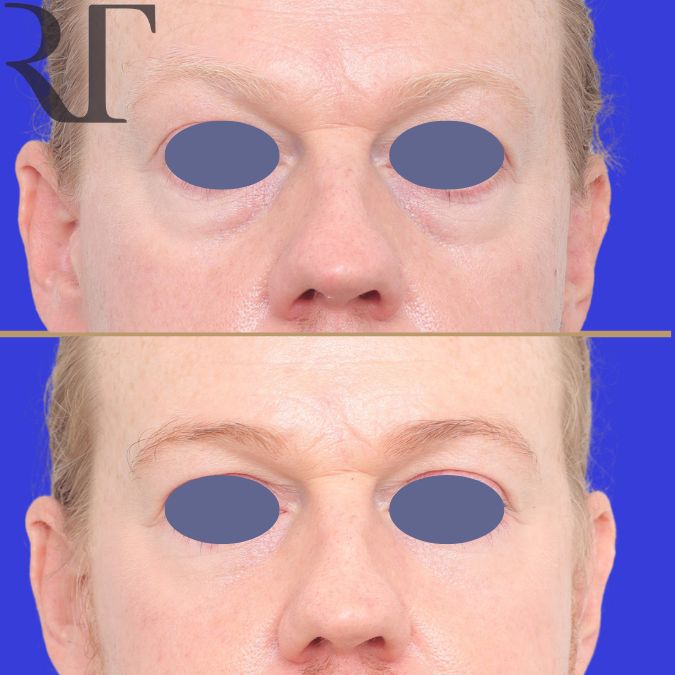
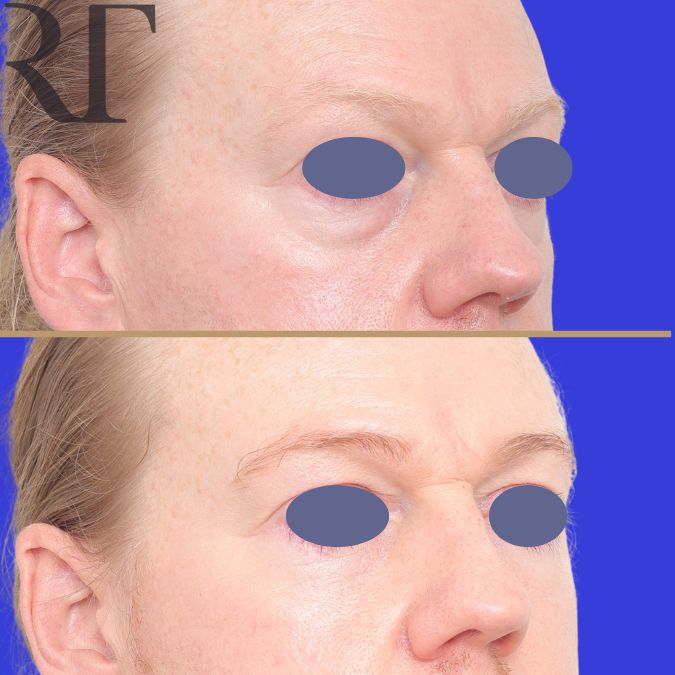
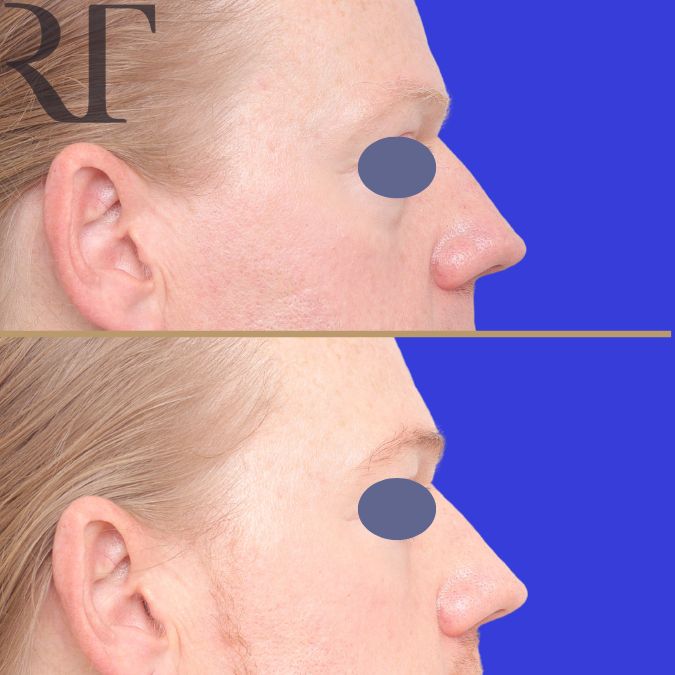
Images shown with the patient’s consent. Photographs are of one individual and are not a guarantee of outcome; results vary between people and depend on anatomy and healing. Any surgical or invasive procedure carries risks. Before proceeding, you should seek a second opinion from an appropriately qualified health practitioner.

Informed consent
Lower Blepharoplasty Surgery Risks and Complications
While complications are uncommon, transparency about potential risks is essential. Like all surgical procedures, lower blepharoplasty surgery carries the possibility of side effects and complications.
Common, temporary effects may include:
- Swelling and bruising around the eyes
- Temporary tightness, dryness, irritation, or tearing
- Light sensitivity
- Temporary changes in appearance during healing
Less common risks may include infection, delayed healing, visible scarring, prolonged swelling, asymmetry, or changes in lower eyelid position (such as retraction or ectropion).
Rare complications can include bleeding, persistent dry eye symptoms, vision changes, or the need for revision surgery. Individual outcomes vary, and risks are discussed during consultation to support informed decision-making.
Lower Blepharoplasty: What to Expect From Initial Consultation to Recovery
Step 1
Initial Consultation
The process begins with a comprehensive consultation, during which Dr Teixeira assesses the lower eyelids and under-eye area, including eyelid tone and support, alongside overall health and medical history. This supports a plan aligned with individual anatomy, clinical findings, and priorities. Patients are encouraged to ask questions and discuss what can realistically be achieved through surgery.
For patients seeking cosmetic surgery, two consultations and a minimum 7-day cooling-off period apply before proceeding, in line with Medical Board of Australia requirements.
Step 2
Day of Surgery
Lower blepharoplasty is performed in hospital under general anaesthetic as a day procedure, with an anaesthetist present. Surgery usually takes one and a half to two hours, longer when fat repositioning, canthopexy or a midcheek lift is included or when it is combined with upper blepharoplasty or fat transfer. A short monitoring period follows before going home with a companion.
As the anaesthetic wears off, tightness, mild stinging, tearing, or a feeling of puffiness can occur as early tissues settle. Comfort measures may include cold compresses, lubricating drops, and head elevation. Written aftercare instructions are provided, and support for the journey home and the first 24 hours is recommended.
Step 3
Recovery and Aftercare
Most patients experience swelling, bruising, and a feeling of tightness or puffiness around the lower eyelids during the first one to two weeks. These effects gradually improve as the tissues settle. Cold compresses, rest, and keeping the head elevated may help reduce swelling and promote comfort in early recovery.
If stitches are placed, they are usually removed within five to seven days. Mild dryness, tearing, or temporary sensitivity to light can occur as the eyes adjust. Most patients return to light activities within a week and to office work in about two weeks, once bruising has faded enough to be covered; the final contour takes several weeks to a few months to settle as subtle swelling resolves. Follow-up appointments with Dr Teixeira and his team monitor your progress and provide guidance throughout recovery.
Combining procedures
Combining lower blepharoplasty with other procedures
The lower eyelid sits between the eye and the cheek, so it is assessed together with the upper lids, the midface and facial volume. Common combinations include:
- Upper blepharoplasty – upper and lower eyelids are frequently treated in the same operation when both show change.
- Facial fat transfer – small volumes of the patient’s own fat placed in the tear trough and cheek soften the transition between lid and cheek and are often the main treatment for hollowing.
- Midcheek lift – where the cheek has descended, lifting it at the same time supports the lower lid and improves the lid–cheek junction.
- Facelift or neck lift – for people addressing the whole face, eyelid surgery is often performed during the same anaesthetic.
Combined procedures are performed under general anaesthetic in hospital and usually involve a longer recovery than lower blepharoplasty alone.
Questions
FAQs
No. Lower blepharoplasty treats the under-eye region only: the fat that has bulged forward, the hollow of the tear trough and any loose skin below the lashes. It does not lift the cheek, jowls or neck. Where the cheek has descended and is contributing to the lid–cheek shadow, a midcheek lift or fat transfer can be combined with it, and this is assessed at consultation.
It depends on the cause. Dark circles produced by shadow, from a bulge above a hollow tear trough, usually improve when the bulge is flattened and the hollow filled. Circles caused by thin skin over underlying vessels or by pigmentation are not changed by surgery and may need skin treatments instead. Examination in natural light, and sometimes with the head tilted, helps tell the two apart.
Yes, when the hollowing is part of the plan. Prolapsed fat can be repositioned into the tear trough rather than removed, and small volumes of the patient’s own fat can be grafted to the tear trough and upper cheek in the same operation. Removing fat alone tends to make hollow eyes look emptier, so the approach is chosen according to whether fullness, hollowing or both are present.
Fees include the surgeon’s fee, the anaesthetist’s fee and the hospital fee, which vary with the technique used and whether fat transfer, canthopexy or upper blepharoplasty are combined. A written quote is provided after consultation. Lower blepharoplasty is almost always cosmetic. Some cases may be eligible for a Medicare rebate when specific clinical criteria are met, and patients may be able to use their private health insurance. Out-of-pocket fees still apply.
Lower blepharoplasty is performed in hospital under general anaesthetic as a day procedure, with an anaesthetist present throughout. You are asleep for the surgery, are monitored for a short period afterwards and go home the same day with a companion. If upper blepharoplasty, fat transfer or a midcheek lift are combined, they are done under the same anaesthetic, and the operating time is longer.
In this practice lower blepharoplasty is performed under general anaesthetic rather than local anaesthetic. The lower eyelid procedure involves the fat compartments and the support of the lid, and the plan often includes fat repositioning or canthopexy. Whether any more limited procedure could be considered under local anaesthetic with sedation is discussed at consultation, based on what needs to be done and your general health.
Short domestic flights are usually reasonable after the first week, once the initial swelling has passed and any sutures have been removed. Long-haul travel is better left for two to three weeks so that follow-up appointments are not missed and swelling is not aggravated by cabin dryness and prolonged sitting. Lubricating drops, head elevation and avoiding heavy lifting on arrival all help.
The aim is to improve the contour beneath the eye without altering the shape of the eye itself. Eyelid support is assessed beforehand and, where the lower lid is lax, it is reinforced with a canthopexy so the lid does not drop or round off at the outer corner. Conservative skin removal and fat preservation are the main safeguards against a changed or hollow appearance.
Swelling and bruising are most noticeable in the first week and largely settle within two. Sutures, if placed below the lashes, are removed at five to seven days. Most people return to light activities within a week and to work in about two weeks, once bruising can be covered. The final contour takes several weeks to a few months to settle as subtle swelling resolves.
A transconjunctival incision is made inside the lower eyelid, leaving no external scar, and suits people whose main concern is fat bulging with good skin. A subciliary incision runs just below the lashes and allows excess skin to be removed and the muscle to be tightened, with a fine scar that fades into the lash line. The approach is chosen according to skin, fat and eyelid support.
Yes, and it often is. Upper and lower eyelids are commonly treated in the same operation when both show change, and fat transfer to the tear trough and cheek is frequently added to blend the lid into the cheek. Combining procedures means a single anaesthetic and recovery, though the recovery is usually somewhat longer than for lower blepharoplasty alone.
Journal
Lower Eyelid Surgery Blog

Exploring Upper Eyelid Surgery: Common Concerns, Timing, Expectations and Recovery
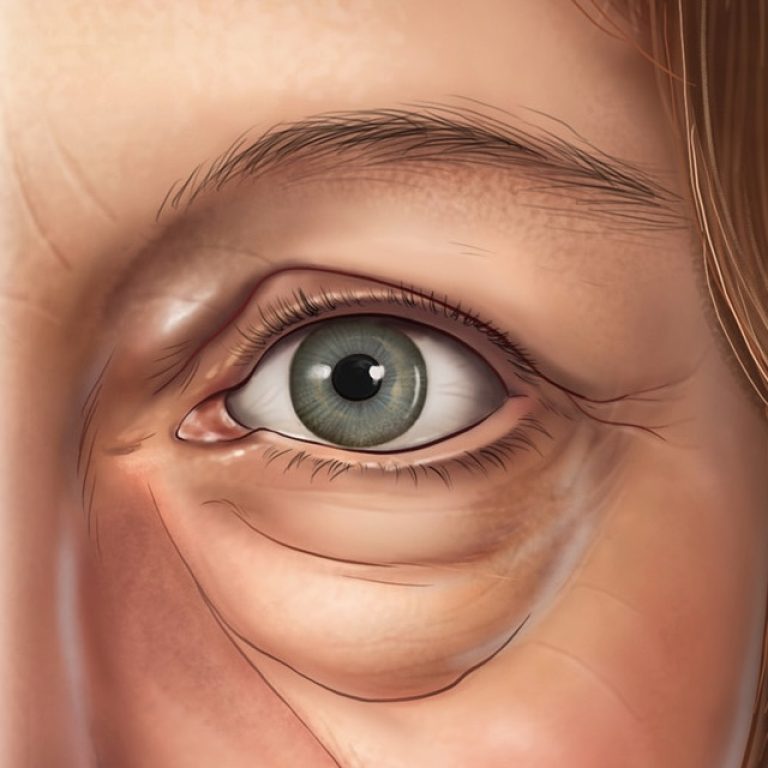
Lower Eyelid Surgery: Under‑Eye Bags & Tear Trough Treatment Guide