


Nose Surgery

Septoplasty during Rhinoplasty (Rhinoseptoplasty)

Dr Rodrigo Teixeira performs Septoplasty in Melbourne as part of rhinoplasty surgery. A deviated septum occurs when the thin wall dividing the nasal passages is displaced or crooked, which can affect air flow through the nose. Septoplasty is a surgical procedure performed to correct this deviation and improve nasal breathing function.

Septoplasty during Rhinoplasty (Rhinoseptoplasty)

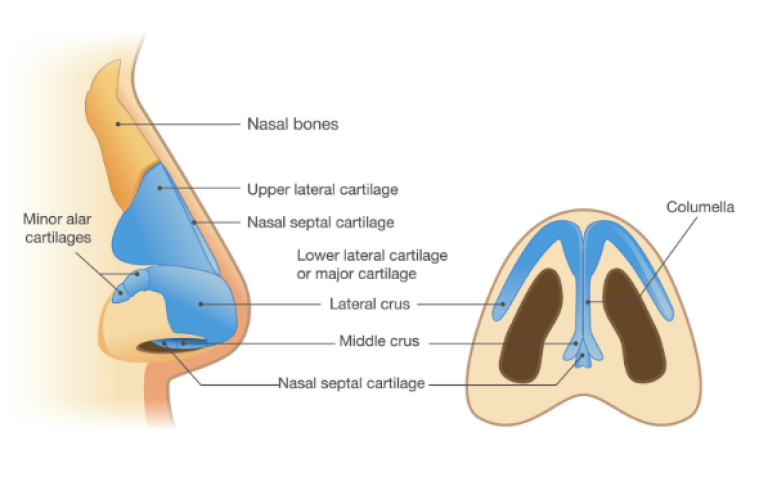
The nasal septum is the internal wall of bone and cartilage that separates the left and right nasal passages. If it is displaced or uneven, due to genetics, injury, or developmental factors, it can narrow one or both airways, reduce airflow, and in some cases contribute to visible nasal asymmetry. This is known as a deviated septum.

Septoplasty is performed to reposition the septum with the aim of improving nasal breathing and reducing symptoms such as blockage, congestion, or snoring. Symptoms often improve as healing progresses, although outcomes vary between individuals.

While septoplasty is primarily a functional procedure, it is often performed alongside rhinoplasty when septal deviation also affects external nasal shape. When combined with rhinoplasty, this is known as Rhinoseptoplasty, and planning considers both nasal function and structural support. Learn more about primary rhinoplasty in Melbourne.

Dr Rodrigo Teixeira (FRACS) specialist plastic surgeon in Melbourne

Learn more about Dr Rodrigo Teixeira and his approach to plastic surgery and patient care.

Techniques

Our Septoplasty (Deviated Septum Surgery) Techniques

Dr Rodrigo Teixeira does not perform septoplasty as a stand‑alone procedure. It is carried out only as a complementary step during rhinoplasty, so that both the functional airway and the external structure of the nose are considered together.

Intranasal (Endonasal) Approach

An incision is made inside the nose, allowing reshaping, repositioning, or selective removal of deviated cartilage and bone while preserving support. This is the most common technique and can be combined seamlessly with rhinoplasty.

Septal Cartilage Repositioning

When the septum is displaced, the cartilage can be carefully mobilised and repositioned to the midline. Sutures or splints may be used to keep the septum stable after correction.

Limited Resection

If obstruction is caused by small segments of cartilage or bone, these may be trimmed or removed in a controlled way, with the rest of the septum preserved to maintain strength.

Grafts and Reinforcement

Cartilage grafts may be added to strengthen the septum, reinforce the internal nasal valves, and support planned rhinoplasty changes to the bridge or dorsum. Most grafts are harvested from the septum itself. If additional material is required, cartilage can also be taken from the ear or rib. These grafts provide airway support and add structure when needed for both functional and cosmetic correction.

Common Septal Problems Corrected During Rhinoplasty

  • Posterior Septal Deviation and Bone Spurs: These can obstruct airflow and are trimmed or repositioned to improve breathing.
  • Anterior Septal Deviation: Can cause visible nasal misalignment; correction improves both function and alignment.
  • Caudal Septal Deviation: Affects the columella and nostril symmetry; correction improves the airway and external balance.
  • Short Septum: In patients with inadequate support, septal extension grafts may be used to increase length, projection, or stability, especially when the nasal tip requires structural reinforcement.

The choice of technique depends on the type and severity of deviation, as well as the overall rhinoplasty plan. Dr Rodrigo Teixeira tailors the approach to each patient’s anatomy and breathing concerns. Every procedure is individualised after consultation, with discussion of indications, limitations, and recovery. Septoplasty is performed only in conjunction with rhinoplasty. All surgery involves risks, and recovery varies between individuals.

Dr Rodrigo Teixeira

Informed consent

Septoplasty Surgery Risks and Complications

Deviated septum surgery carries potential risks. Common temporary effects include:

  • Mild discomfort or pressure inside the nose
  • Swelling and congestion
  • Small amounts of bleeding or nasal crusting
  • Temporary reduction in the sense of smell
  • Numbness around the nasal area

Less common or rare complications may include infection, persistent blockage, septal perforation (small hole in the septum), internal scar tissue (adhesions), subtle changes in nasal contour, or the need for revision surgery. Following post-operative instructions carefully supports safe recovery and reduces potential risks.

Septoplasty Surgery (Deviated Septum Surgery): What to Expect From Initial Consultation to Recovery

Step 1

Initial Consultation

Your first consultation includes a detailed assessment of your nasal structure, airway, and breathing patterns. Dr Teixeira reviews your medical history, discusses your symptoms, and explains how septoplasty, when performed as part of rhinoseptoplasty, can improve airflow and structural balance. You will also receive information about the procedure, recovery, and potential risks.

Step 2

The Day of Surgery

Septoplasty is performed under local or general anaesthesia, depending on the case. All incisions are made inside the nose, or through the rhinoplasty incisions, leaving no additional external scars. The septum is repositioned or reshaped to restore a clear airway and support the nasal framework.

Soft internal silicone splints (Doyle stents) are often placed to stabilise the septum, protect healing tissues, and reduce the risk of septal haematoma. These stents can cause some pressure or congestion until removed, usually after several days.

Step 3

Recovery Process

After surgery, some swelling, congestion, or mild discomfort is expected for several days. Most patients can return to light activities within about a week, though complete recovery may take two to four weeks.

To promote healing, patients are usually advised to:

  • Use saline rinses to keep the nasal passages clean
  • Avoid strenuous activity and heavy lifting for several weeks
  • Refrain from blowing the nose until cleared by the surgeon
  • Attend scheduled follow-up appointments to monitor progress

Breathing typically improves as swelling subsides and tissues settle, though recovery experiences vary.

Our Melbourne Clinic

Dr Teixeira’s Melbourne clinic provides a professional and supportive environment for patients undergoing nasal surgery. The facility is equipped to meet high standards of surgical care, ensuring comfort and privacy at every stage of treatment.

The experienced clinical team works closely with patients before, during, and after surgery to provide guidance, reassurance, and individualised attention. Conveniently located in Melbourne, the clinic is easily accessible for both local and interstate patients seeking specialist nasal surgery.

You can also explore other facial procedures such as Facial Surgery Melbourne for a broader overview of treatments offered by Dr Teixeira.

Questions

FAQs

Septoplasty is a surgical procedure performed to straighten a deviated septum. The procedure aims to improve airflow through the nasal passages.

Medicines can ease symptoms but don’t straighten the septum. A deviated septum can only be corrected through surgery.

Septoplasty is a functional procedure and does not aim to change nasal appearance. If structural deviation also affects nasal shape, it’s addressed with rhinoplasty at the same time (rhinoseptoplasty).

Straightening the septum is intended to be long-lasting, and many patients report sustained symptom improvement. However, symptoms can persist or recur in some people and a small proportion may consider revision. Outcomes vary.

Early on, it is recommended sleeping on your back with your head elevated to reduce swelling/bleeding; side sleeping is typically resumed once your surgeon advises it based on healing.

Persistent blockage can occur due to residual deviation, scar tissue (adhesions), swelling, or cartilage “memory.” Some patients may need further treatment or revision surgery.

Avoid blowing your nose for at least two weeks post-surgery to prevent bleeding or disruption of healing tissues. Your surgeon will tell you when gentle nose-blowing is safe to resume.

Expect congestion for the first days to weeks as swelling settles. Breathing usually improves progressively as healing advances, though timelines differ between individuals.

Most patients are advised to avoid flying for one or two weeks after surgery to prevent pressure-related discomfort or complications.

Journal

Septoplasty Surgery Blog

Revision Rhinoplasty

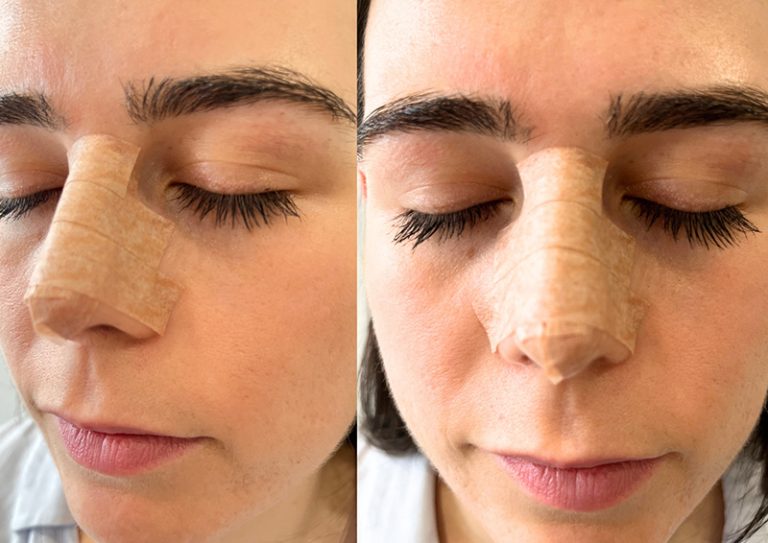
Revision Rhinoplasty: Timing, Healing and Readiness

When revision rhinoplasty may be considered, why healing time matters, and what to think about before planning further surgery.
Read More →
Rhinoplasty recovery: swelling and results explained

Rhinoplasty Recovery: Swelling & Results Explained

Rhinoplasty is a highly individualised procedure, and so is the recovery. Personal factors like skin thickness, overall health, and especially adherence to aftercare guidance can ...

Read More →
Illustration of a woman’s face in three-quarter view showing the underlying nasal bones and cartilage framework beneath the skin

From Filters to Facts: Rethinking Cosmetic Rhinoplasty in the Age of Social Trends

How social media trends shape expectations of rhinoplasty, and why planning around your own anatomy and breathing matters more.

Read More →
Dr Rodrigo Teixeira patient education

Aesthetic Rhinoplasty Consultation: Assessment, Planning, and What to Expect

What happens at a rhinoplasty consultation: how your goals, nasal anatomy, breathing and wellbeing are assessed before planning surgery.
Read More →
Rhinoplasty Melbourne – Dr Rodrigo Teixeira FRACS, Specialist Plastic Surgeon

Most Common Problems After Rhinoplasty (Nose Reshaping Surgery)

The problems that can follow rhinoplasty, how recovery usually unfolds and which changes continue for months afterwards.
Read More →
Dr Rodrigo Teixeira - Plastic Surgeon

Common Rhinoplasty Techniques: Functional, Cosmetic and Reconstructive

The main rhinoplasty approaches, including structural, preservation, functional and cosmetic techniques, and how they differ.
Read More →
Scroll to Top