Nose Surgery
Revision Rhinoplasty in Melbourne
Revision rhinoplasty, also known as secondary rhinoplasty, is done after past nose surgery. It aims to address concerns with nasal shape, structure, or function. If you’re thinking about revision rhinoplasty in Melbourne, a consultation can make clear the factors involved. It can also assess whether these issues may be addressed. This includes key limits and the balance of risks and benefits.
Suitability
When Revision Rhinoplasty May Be Considered
Revision rhinoplasty is also called secondary rhinoplasty. It is done to address functional or aesthetic concerns after a past nose surgery. Unlike a first surgery, revision surgery means operating on tissue that has already healed. This tissue sometimes has scarring or altered anatomy.
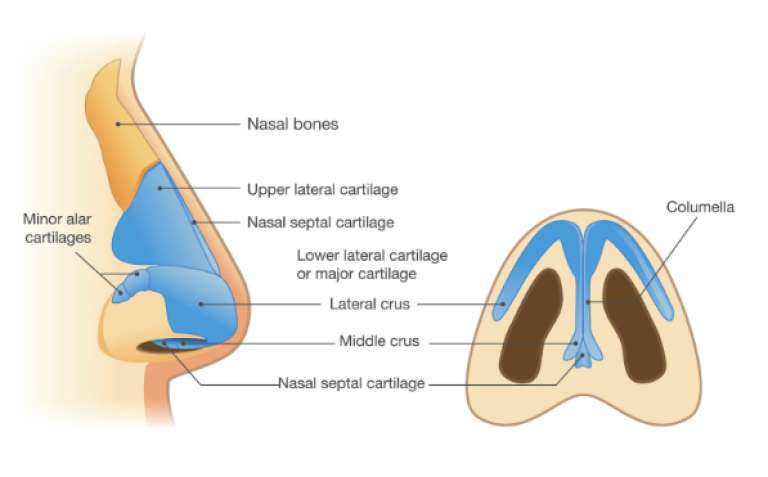
These procedures need careful assessment of nasal structure, airway function, and tissue quality. This shows what refinements may be possible. Some minor revisions can be simple. Others may be more complex. This can be due to less available cartilage or past structural changes.
For this reason, patients are encouraged to consult a surgeon with specialist registration, for example a Specialist Plastic Surgeon (FRACS). The surgeon should also have specific experience in secondary nasal surgery.
If you’re looking into primary rhinoplasty (first-time nose surgery), see our page on Rhinoplasty in Melbourne.
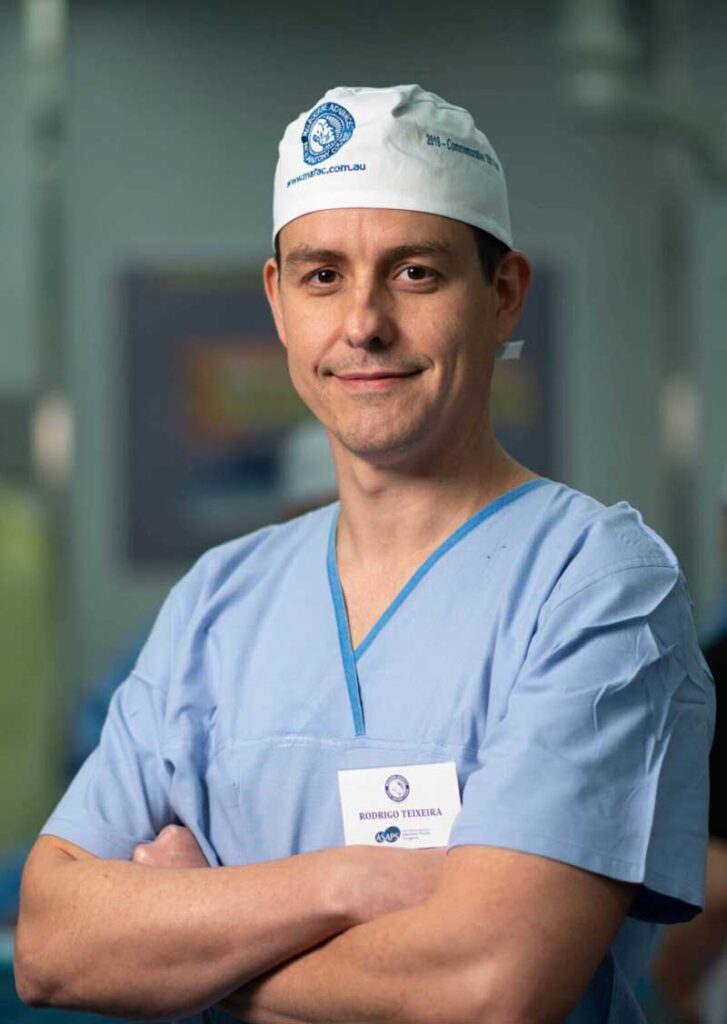
Learn more about Dr Rodrigo Teixeira and his approach to plastic surgery and patient care.
Common Reasons for Revision Rhinoplasty
People seek revision rhinoplasty for different reasons. Common concerns after a primary procedure include:
- asymmetry or contour irregularities
- nasal obstruction or airflow limitation
- internal or external valve narrowing affecting airflow
- reshaping that did not settle as planned
- loss of structural support affecting function or stability
These concerns range from minor issues to changes that affect function or overall facial balance. With minor issues, risks may outweigh potential benefit. Each case needs its own assessment to decide whether revision rhinoplasty is suitable. The consultation focuses on weighing the risks and benefits. It also looks at the chance of meaningful improvement.
The Revision Rhinoplasty Procedure (Techniques & Steps)
Revision rhinoplasty usually follows the principles of rebuilding rather than simple reshaping. The exact steps depend on what is found during examination. They also depend on assessment during surgery of the changes made by the first operation. Techniques often used in revision surgery may include:
- Open approach rhinoplasty, giving precise access to altered structures and helping refine both function and appearance.
- Cartilage grafting (septal, ear, or rib) to restore support, improve projection, reinforce weak areas, or refine contour.
- Targeted structural reshaping of the bridge, sidewalls, or tip to address asymmetry, improve definition, or restore balance.
- Correction of nasal valve or airflow issues, supporting better function where there is obstruction.
- Management of scar tissue or adhesions and adjustments for skin thickness. Thin skin may reveal small irregularities, while thick skin may limit definition.
Each technique is chosen to support nasal function, stability, and balanced shape. Outcomes vary with tissue quality, scarring, healing patterns, and changes from past surgery.
Our approach
Dr Rodrigo Teixeira’s Approach to Revision Rhinoplasty
Dr Teixeira’s approach puts openness and shared understanding first. Revision surgery is only offered when he believes it is in the patient’s best interests.
Key factors include:
- Motivation and concerns – understanding why revision is sought and whether surgery can address the concerns.
- Psychological readiness – talking through expectations, resilience, trust, and whether a psychological assessment may be suitable.
- Timing and healing – making sure tissues have healed enough and assessing how further maturing may affect the result.
- Clinical assessment – checking nasal structure, airway function, available cartilage, past changes, and personal healing factors.
- Surgical planning and decision‑making – setting out realistic options, limits, and risks to support informed and balanced decisions.
This structured process supports informed consent, joint planning, and shared decision-making. Patient wellbeing is the highest priority.
Your journey
What to Expect at Your Consultation
Your consultation is a detailed process. It aims to assess both the current state of your nose and the results of your past surgery. This may include:
- Reviewing past surgical records and operative notes
- Physical examination of structures inside and outside the nose, including functional assessment of the nasal airways
- Photographs or digital imaging to help with communication and planning
- Talking about your goals and what can realistically be achieved
- Thinking about whether a psychological assessment may be suitable to support readiness and expectations
This conversation makes clear the expected course of treatment, possible limits, and the likely recovery timeline.
Informed consent
Risks & Challenges of Revision Rhinoplasty
Revision rhinoplasty has its own challenges compared with primary surgery, and it carries risks. In revision rhinoplasty, these risks may be affected by how each person heals. They may also be affected by changes from earlier procedures. General surgical risks may include bleeding, haematoma, infection, anaesthetic complications, delayed wound healing, and scarring. Procedure specific risks may include:
- asymmetry, irregularities, lumps and bumps
- reshaping or correction that does not settle as planned
- graft movement, absorption, or warping; if rib cartilage is used, a small chest scar, donor-site discomfort and, rarely, injury to the lining of the lung
- ongoing or new breathing problems
- unpredictable healing with long-lasting or uneven swelling
Knowing about these risks, and how personal factors may affect them, supports balanced and informed decisions.
Any surgical or invasive procedure carries risks. Before proceeding, you should seek a second opinion from an appropriately qualified health practitioner.
Aftercare
Recovery & Aftercare
Recovery varies between people. It may take longer than after primary rhinoplasty, especially when grafting or structural rebuilding is needed.
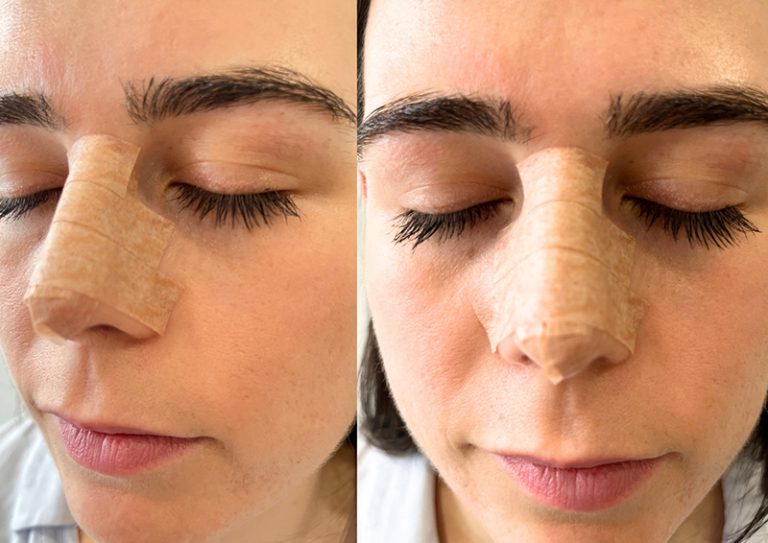
Early recovery (first week): swelling, bruising, congestion, and pressure are common. You may be advised to keep your head raised and avoid blowing your nose. Protecting the nose from accidental knocks may also be advised. You may also be advised to keep dressings or splints in place as instructed.
Weeks 2–6: swelling slowly settles. Many people feel ready to return to work or light activities. Hard exercise and activities that risk injury to the nose are usually avoided.
Months 3–12: subtle swelling keeps improving, and the shape continues to refine. The final result may take at least 12 months, or longer, to stabilise, especially in the nasal tip.
Regular follow‑up appointments let us check your progress and give support throughout recovery.
Our Melbourne Clinic & Facilities
Consultations, assessments, and reviews after surgery take place at our Ivanhoe East rooms. The rooms offer a professional and private setting. It is set up for detailed examination, imaging, and talking through your goals.
All revision rhinoplasty procedures are done in accredited Melbourne hospitals. Procedures are supported by a qualified surgical and anaesthetic team. This is to support patient safety before, during and after surgery.
Questions
FAQs
Revision rhinoplasty is surgery performed after a previous rhinoplasty to address structural, functional, or aesthetic concerns that were not resolved or developed during healing.
Revision procedures can be more involved than primary rhinoplasty and may require additional operative time or grafting, which can influence total cost. A personalised estimate is provided after consultation.
Revision rhinoplasty is a recognised part of nasal surgery practice. People may seek revision for functional issues, changes in appearance after healing, or concerns that have arisen over time.
All surgery carries risks. Revision rhinoplasty may involve added considerations due to changes from previous surgery, but when performed by a qualified surgeon in an accredited facility, risks are managed using established surgical and safety principles.
Primary rhinoplasty is performed on untouched anatomy. Revision rhinoplasty involves previously operated tissue, which may include scar tissue, altered support, or limited cartilage availability, influencing planning and technique.
Journal