Rhinoplasty in Melbourne
Rhinoplasty is tailored nasal surgery that may address cosmetic concerns, structural support, and breathing-related issues. Dr Rodrigo Teixeira is a Specialist Plastic Surgeon in Melbourne who performs primary rhinoplasty with careful attention to facial balance, anatomy, function, and long-term stability as healing progresses.
Dr Rodrigo Teixeira (MED0001650480)
Registered medical practitioner
Specialist registration in Surgery – Plastic Surgery
Why rhinoplasty may be considered
Rhinoplasty, sometimes referred to as nose surgery, may be considered to change the shape, proportion, or contour of the nose, and may address aesthetic concerns, breathing-related concerns, or both. Whatever the primary aim, preserving stable nasal support and function remains a key part of planning.
Breathing concerns may relate to structural factors such as septal deviation, weakness in nasal support, or narrowing of the nasal valves. Previous injury or trauma can also affect both appearance and airflow and may influence the surgical plan.
Rhinoplasty is not planned by looking at a single feature in isolation. The bridge, tip, septum, internal valves, skin thickness, support, and facial proportions all influence what may be appropriate and what may be achievable.
A consultation is required to assess suitability, discuss limitations, and determine whether rhinoplasty is the most appropriate option.
Related rhinoplasty pathways
Primary rhinoplasty
For patients considering rhinoplasty or nose reshaping for the first time. This pathway may be appropriate where the concern relates to nasal shape, proportion, dorsal hump, tip position, asymmetry, or structural issues that may also affect breathing.
Breathing concerns and septoplasty
For patients with nasal blockage, airflow concerns, or a deviated septum that may need to be assessed as part of rhinoplasty.
Learn about septoplasty during rhinoplasty.
Revision rhinoplasty
For patients who have had previous nose surgery and are seeking further assessment.
Learn about revision rhinoplasty.
What concerns may rhinoplasty address?
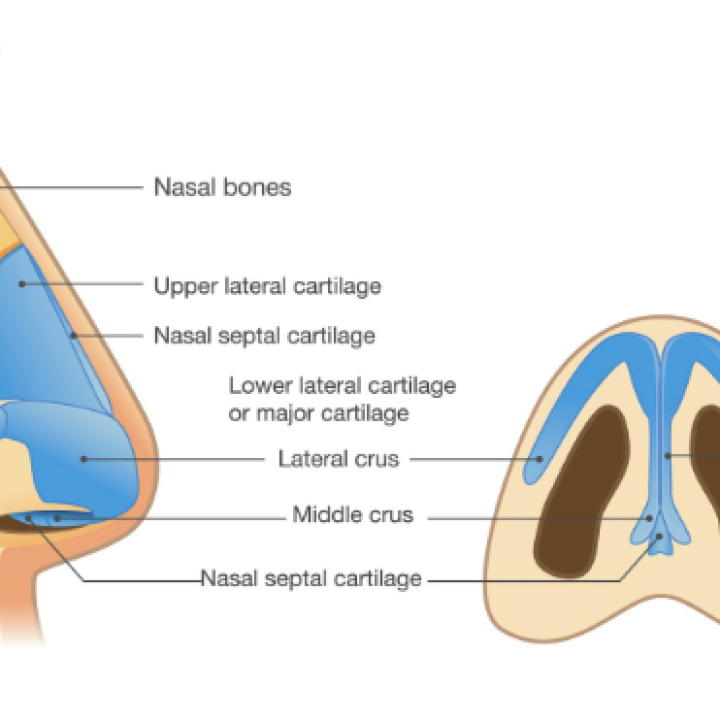
Many nasal concerns are surface expressions of deeper anatomy. Bone and cartilage provide structural support, the septum and internal valves influence airflow, and the skin–soft tissue envelope affects contour and definition. Each of these elements may contribute independently or in combination, which is why rhinoplasty begins with anatomical diagnosis rather than treating a visible feature in isolation.
Rhinoplasty may be considered for concerns such as:
- dorsal hump or bridge prominence
- tip droop, reduced projection, or limited definition
- a crooked or deviated appearance
- asymmetry
- nostril flare or width
- changes after injury
- structural concerns affecting airflow
- imbalance between the nose and other facial features
Not every concern is best managed with surgery, and not every patient will be a suitable candidate. This is discussed carefully during consultation.
How is rhinoplasty planned?
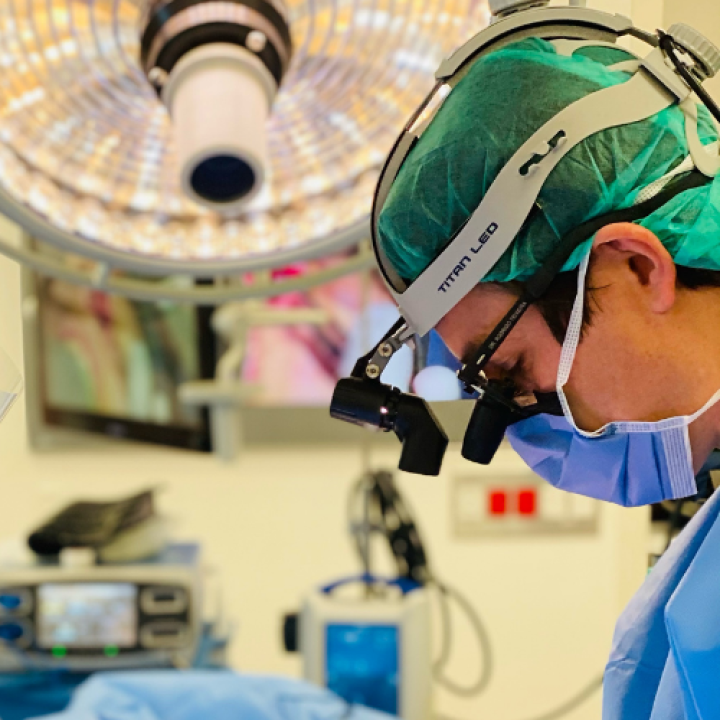
Dr Rodrigo Teixeira is a Specialist Plastic Surgeon with a focused clinical interest in surgery of the face, nose, eyes, and neck. His training includes aesthetic plastic surgery and craniofacial and cleft surgery, supporting an anatomy-led approach to nasal shape, support, and breathing.
Cosmetic and functional planning
Rhinoplasty planning considers both appearance and function. This may include nasal shape, tip support, bridge contour, breathing, skin characteristics, and how the nose sits in balance with the rest of the face.
For some patients, the main concern is cosmetic. For others, breathing-related or structural issues are also part of the assessment. Where appropriate, these are considered together to develop a surgical plan tailored to the individual.
Bridge contour and dorsal profile
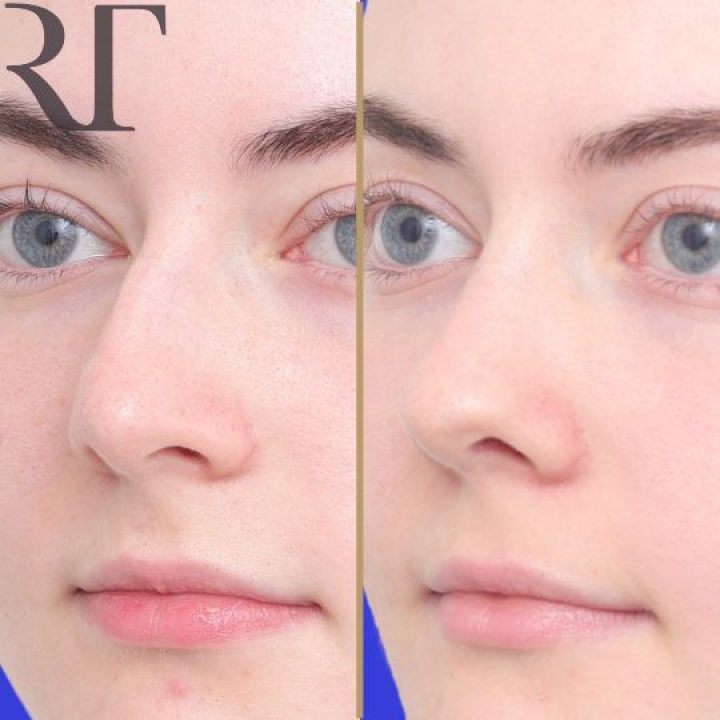
A dorsal hump may involve bone, cartilage, or a combination of both. In some patients, the concern is not only the height of the bridge, but how it relates to radix position, tip support, and overall facial balance.
Planning considers the underlying framework rather than treating the bridge as an isolated feature. Depending on the anatomy and the changes required, surgery may involve careful reshaping of the bony and cartilaginous dorsum, preservation principles in selected cases, or more structural modification where greater change is needed.
Tip shape, support, and definition
Tip concerns may include width, heaviness, asymmetry, reduced definition, or poor support. These features are influenced by the shape of the lower lateral cartilages, tip projection, rotation, skin thickness, and the strength of structural support.
Planning focuses on how the tip sits in relation to the bridge, upper lip, and other facial features. Depending on the anatomy, surgery may involve refinement, repositioning, or support of the tip framework to improve contour while maintaining stability.
Tip projection and rotation
A drooping or underprojected tip can influence both nasal appearance and facial proportions. In some patients, tip descent becomes more noticeable on smiling or in profile view. In others, limited projection may reduce support and definition.
Planning considers projection, rotation, support, and the relationship between the tip and the dorsal profile. The surgical approach depends on whether the concern relates to cartilage shape, weak support, septal influence, or the balance between different parts of the nose.
Nasal alignment and deviation
A crooked or deviated nose may reflect asymmetry of the nasal bones, septal deviation, cartilage irregularity, prior trauma, or a combination of structural factors. In some patients, the concern is mainly visual. In others, it may also affect breathing.
Planning may involve straightening the bony and cartilaginous framework, while recognising that underlying asymmetry and tissue memory can influence healing. The aim is improvement in alignment and balance, with discussion of any limitations that may apply.
Breathing and structural support
Some patients seek rhinoplasty because of both appearance and function. Breathing concerns may relate to septal deviation, internal or external valve narrowing, prior injury, or weakness in support.
Where airflow is affected, planning may need to address both cosmetic and functional anatomy. Depending on the findings, the surgical plan may involve septal work, structural support, or grafting where appropriate to help improve stability and airflow over time.
Previous injury, filler, or prior treatment
Trauma, previous surgery, or prior filler may alter nasal shape, support, contour, tissue characteristics, and breathing. These situations often require more detailed assessment because scar tissue, altered anatomy, or filler-related distortion can affect both planning and what is appropriate surgically.
Where there is a history of previous treatment, consultation focuses on clarifying the underlying anatomy, identifying structural limitations, and deciding whether surgery is advisable, or whether a more specific assessment pathway may be needed.

How surgical approach is determined
Nose surgery may be performed using different approaches depending on the anatomy, the changes required, and the level of access needed to the nasal framework. This may include open or closed rhinoplasty, as well as preservation or more structural techniques where appropriate.
An open approach may be used where direct visibility supports careful modification, structural grafting, or more detailed tip work. In selected cases, preservation principles may be incorporated to maintain key support structures and minimise unnecessary disruption. The surgical approach is determined by anatomy and planning requirements, not by a one-size-fits-all preference.
Why rhinoplasty requires careful assessment
Rhinoplasty requires careful assessment because nasal shape, structural support, breathing, skin characteristics, and healing patterns all influence what may be appropriate and what may be achievable.
Not every concern is best managed with surgery, and not every patient will be a suitable candidate. The consultation is intended to support informed decision-making by clarifying suitability, likely limitations, recovery, and next steps.
What happens at the consultation?
The consultation is an opportunity to assess your concerns in detail and determine whether rhinoplasty may be appropriate for your anatomy and goals. This usually includes:
Discussion of your concerns
You’ll have time to explain what is bothering you, whether the concern relates to appearance, breathing, past injury, or a combination of factors.
Assessment of the nose and facial proportions
The consultation includes assessment of nasal shape, structure, support, skin characteristics, and how the nose relates to the rest of the face.
Breathing and structural assessment
Where relevant, breathing concerns and internal structural issues are considered as part of the assessment.
Review of prior treatment history
Previous injury, nasal surgery, or non-surgical treatments such as filler may affect planning and may influence whether surgery is appropriate.
Discussion of suitability and next steps
The consultation includes discussion of what may be achievable, what may be limited, likely recovery, risks, and whether surgery is the most appropriate option.
Where helpful, clinical photography and optional imaging may be used to support communication during planning. These tools can help clarify priorities, but they do not predict exact outcomes.
Request a rhinoplasty consultation
Risks and considerations
Like all surgical procedures, rhinoplasty carries risks and possible complications. These vary depending on anatomy, medical history, tissue characteristics, healing response, and the extent of surgery performed. Because healing cannot be fully predicted, both aesthetic and functional outcomes may change over time, and specific results cannot be guaranteed.
Risks and considerations discussed during consultation may include:
- bleeding, infection, scarring, and anaesthetic risks
- contour irregularities or residual asymmetry
- recurrence of deviation
- internal scarring that may affect airflow
- graft-related healing issues where grafts are used
- temporary or prolonged changes in sensation
- persistent breathing concerns or structural healing issues
- the possibility that further treatment may sometimes be considered after healing
All procedures carry risks. A consultation is required to assess suitability and discuss these in the context of your individual anatomy and surgical plan.
Recovery after rhinoplasty
Recovery after rhinoplasty varies from one person to another. The experience depends on the type of surgery performed, the extent of structural work involved, individual healing patterns, and whether functional concerns are also being addressed.
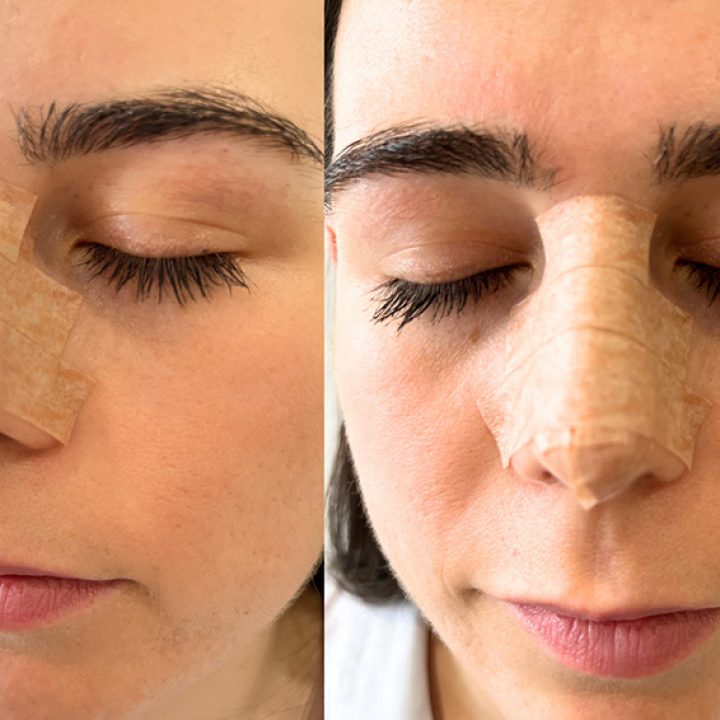
For most patients, the most noticeable swelling and bruising occur in the first one to two weeks after surgery. Light daily activity is often resumed first, while return to heavier exercise and activities with a risk of nasal impact may need to wait longer.
Patients should expect that swelling changes over time and that recovery is a process rather than a single point in time. Early swelling usually improves first, while more subtle swelling, particularly through the tip, may take longer to settle. In many patients, refinement continues over 12 to 18 months, and sometimes longer.
Recovery, limitations, aftercare, and review appointments are discussed as part of the consultation so that patients have a clearer understanding of what the process may involve.
Our Clinic in Ivanhoe East, Melbourne
Unveil Aesthetics and Plastic Surgery is located in Ivanhoe East, around 10 kilometres from Melbourne’s CBD. Our clinic on Lower Heidelberg Road is easily accessed, with convenient parking nearby, and provides a calm, professional environment designed for comfort and discretion.
When you arrive, our reception team will assist with check-in and help coordinate your appointment. We focus on clear communication, clinical professionalism, and coordinated follow-up throughout your care.
Choosing rhinoplasty is a significant decision. Our team aims to provide clear information, careful coordination, and continuity of care from consultation through recovery.
FAQs about Rhinoplasty
Suitability depends on the nature of the concern, nasal anatomy, structural support, skin characteristics, general health, and whether expectations are appropriate. A consultation is required to assess this properly.
In some cases, yes. Where breathing concerns relate to internal nasal structure, they may be assessed as part of rhinoplasty planning. Some patients may also need septoplasty during rhinoplasty.
Rhinoplasty refers to surgery that may address nasal shape, structure, and, in some cases, function. Septoplasty specifically addresses the septum inside the nose. Where relevant, septoplasty may be performed as part of rhinoplasty.
The consultation includes discussion of your concerns, assessment of anatomy and breathing where relevant, review of suitability, and explanation of what may be achievable, along with limitations, risks, and recovery.
Recovery varies between patients and depends on the procedure performed. This is discussed in more detail during consultation, including likely stages of healing and practical considerations after surgery.
Revision rhinoplasty may be considered where a patient has had previous nasal surgery and still has cosmetic, structural, or breathing concerns. These cases are usually more complex and are assessed separately.
Fees vary depending on the nature and complexity of the procedure. A consultation is required to assess suitability and determine the surgical plan before fees can be discussed accurately.