
Lower Blepharoplasty Melbourne
(Lower Eyelid Surgery)
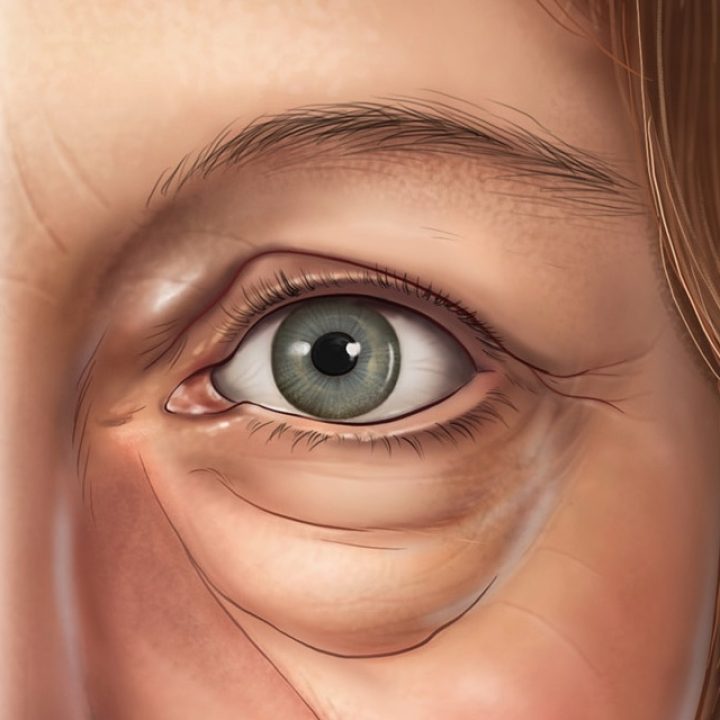
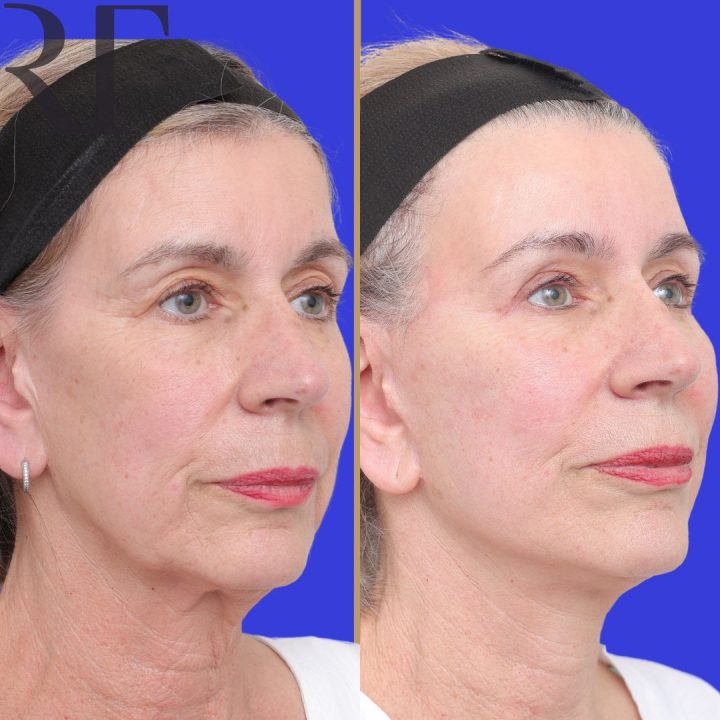
Lower blepharoplasty in Melbourne with Dr Rodrigo Teixeira (FRACS), Specialist Plastic Surgeon, may be considered for under-eye puffiness (“bags”), skin laxity, fine creasing, or shadowing at the lid–cheek junction. The procedure reshapes the lower eyelid area by removing and/or repositioning tissue, with the aim of improving contour while maintaining eyelid support and eye comfort.
What is Lower Blepharoplasty (Lower Eyelid Surgery)?
Lower blepharoplasty (lower eyelid surgery) is a procedure that reshapes the under-eye area by removing and/or repositioning tissue. Depending on anatomy, this may involve adjusting fat, tightening skin, and supporting the lower eyelid where needed. Under-eye changes can develop over time due to factors such as genetics, ageing, and skin quality.
Lower blepharoplasty may be considered when concerns relate to under-eye fullness, shadowing at the lid–cheek junction, skin laxity, or tear-trough hollowing. Because under-eye concerns are often multi-factorial, assessment helps clarify the main contributors and what is more or less likely to change with surgery.
For an overview of eyelid surgery options, see Eyelid Surgery in Melbourne (Blepharoplasty).
Learn more about Dr Rodrigo Teixeira FRACS
Common concerns on the lower eyelids may include:
- Under-eye fullness (“bags”) related to fat prolapse and/or tissue laxity
- Shadowing beneath the eyes, often linked to the tear trough or lid–cheek junction
- Fine creasing or loose skin along the lower eyelid
- A more noticeable groove or hollow between the eyelid and cheek (tear trough)
- Changes in contour influenced by skin quality and cheek support
Our Lower Blepharoplasty (Lower Eyelid Surgery) Techniques
Transconjunctival Blepharoplasty
This technique involves a small incision on the inside of the lower eyelid, allowing access to the orbital fat via an internal incision. It is most suitable for patients who have under-eye fullness but good skin tone, as no skin is removed. Fat may be carefully repositioned to fill the tear trough or improve the lid–cheek junction.
Subciliary Approach
A discreet incision is placed just beneath the lower lash line to remove or tighten excess skin. This approach may be combined with fat repositioning or orbicularis muscle tightening to address laxity or more significant skin excess. It allows refinement of the lower eyelid contour and a smoother transition to the cheek.
Fat Repositioning or Redraping
Fat preservation and redistribution may be used to address fullness and improve contour in selected cases, using the patient’s own tissues to support the lid–cheek transition. This approach can help maintain structure and reduce the chance of an over-resected or hollow appearance, recognising that outcomes vary.
Fat Transfer
In selected cases, fat may be harvested from another area and grafted to the tear trough or midface to address hollowing and support contour. Fat transfer may be discussed as an adjunct where appropriate, depending on anatomy and clinical findings.
Orbicularis Muscle Support or Suspension
When the lower eyelid or midface shows laxity, additional support may be provided by tightening or suspending the orbicularis oculi muscle in selected cases. This can help support eyelid position and contour during healing, depending on anatomy.
Canthopexy or Canthoplasty
These supporting procedures may tighten or reposition the outer corner of the eyelid (lateral canthus) to improve eyelid tone and support. They may be discussed when pre-existing eyelid laxity or certain anatomical patterns increase the risk of lower lid malposition.
Midface Elevation (Midcheek Lift)
In selected patients, lower blepharoplasty may be combined with a mid cheek lift to address midface descent and support the lid–cheek junction. This approach may be discussed when examination suggests cheek position is contributing to tear-trough contour or lower lid support.
Dr Teixeira’s Surgical Approach to Lower Blepharoplasty
Dr Rodrigo Teixeira’s approach to lower blepharoplasty is anatomy-led and considers how the eyelid, cheek, and midface interact. Planning aims to balance form and function and maintain eyelid support and eye comfort.
Each procedure is developed according to the patient’s anatomy, medical background, and treatment goals. Attention to detail guides every stage of planning and surgery, from the placement of incisions to methods intended to support healing and place incisions as discreetly as anatomy allows.
Learn more about Dr Rodrigo Teixeira’s qualifications and experience in facial and eyelid surgery.
Lower Blepharoplasty Surgery Risks and Complications
While complications are uncommon, transparency about potential risks is essential. Like all surgical procedures, lower blepharoplasty surgery carries the possibility of side effects and complications.
Common, temporary effects may include:
- Swelling and bruising around the eyes
- Temporary tightness, dryness, irritation, or tearing
- Light sensitivity
- Temporary changes in appearance during healing
Less common risks may include infection, delayed healing, visible scarring, prolonged swelling, asymmetry, or changes in lower eyelid position (such as retraction or ectropion).
Rare complications can include bleeding, persistent dry eye symptoms, vision changes, or the need for revision surgery. Individual outcomes vary, and risks are discussed during consultation to support informed decision-making.
Lower Blepharoplasty: What to Expect From Initial Consultation to Recovery
Initial Consultation
The process begins with a comprehensive consultation, during which Dr Teixeira assesses the lower eyelids and under-eye area, including eyelid tone and support, alongside overall health and medical history. This supports a plan aligned with individual anatomy, clinical findings, and priorities. Patients are encouraged to ask questions and discuss what can realistically be achieved through surgery.
For patients seeking cosmetic surgery, two consultations and a minimum 7-day cooling-off period apply before proceeding, in line with Medical Board of Australia requirements.
Day of Surgery
Lower blepharoplasty may be performed in an accredited day surgery or hospital setting. Anaesthesia may involve local anaesthetic, sometimes with sedation, or general anaesthetic, depending on the surgical plan and individual factors. The procedure time varies, and a short monitoring period is typical before discharge.
As the anaesthetic wears off, tightness, mild stinging, tearing, or a feeling of puffiness can occur as early tissues settle. Comfort measures may include cold compresses, lubricating drops, and head elevation. Written aftercare instructions are provided, and support for the journey home and the first 24 hours is recommended.
Recovery and Aftercare
Most patients experience swelling, bruising, and a feeling of tightness or puffiness around the lower eyelids during the first one to two weeks. These effects gradually improve as the tissues settle. Cold compresses, rest, and keeping the head elevated may help reduce swelling and promote comfort in early recovery.
If stitches are placed, they are usually removed within five to seven days. Mild dryness, tearing, or temporary sensitivity to light can occur as the eyes adjust. Most patients return to light activities within 7–10 days, though final results may take several weeks as subtle swelling resolves. Follow-up appointments with Dr Teixeira and his team monitor your progress and provide guidance throughout recovery.
FAQs
Lower blepharoplasty primarily focuses on the under-eye region and does not lift the entire face. In some cases, lower blepharoplasty is combined with a midcheek lift to elevate the cheek fat pad and restore youthful contour to the central face.
In some cases, lower blepharoplasty can improve the appearance of dark circles caused by shadowing from puffiness or hollowness from the tear trough. It may not significantly affect pigmentation-related dark circles, which are often due to skin colour or vascular factors.
Yes, in some cases, repositioning or adding fat during surgery can help restore lost volume and hollowness under the eyes. The approach depends on individual anatomy.
Costs vary depending on surgical complexity, anaesthesia, and facility fees. A detailed cost estimate is provided after a consultation.
This depends on the chosen anaesthetic. Some patients have the procedure under local anaesthesia with sedation, while others may have general anaesthesia for comfort.
Yes, certain cases can be performed under local anaesthesia, depending on the patient’s comfort level and the extent of correction required.
It’s generally recommended to wait until swelling has resolved and your surgeon has cleared you for travel, often after one week.
Lower blepharoplasty generally does not alter the natural eye shape. However, subtle differences can occur depending on the extent of the tissue adjustment and individual anatomy. These factors are assessed and discussed as part of the surgical planning process.