Facial Plastic Surgery in Melbourne
Dr Rodrigo Teixeira (FRACS) is a Specialist Plastic Surgeon in Melbourne. This page provides a high-level overview of commonly performed facial procedures and links to detailed guides for each area. Facial surgery is personalised and planning is based on anatomy, diagnosis and individual goals.
A Personalised Approach to Facial Surgery
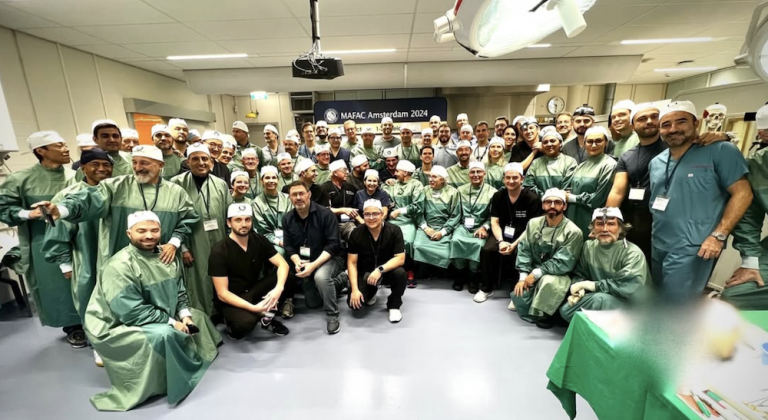
Dr Rodrigo Teixeira (FRACS) is a Specialist Plastic Surgeon with experience across facial aesthetic and reconstructive surgery. He completed further subspecialty training through an Aesthetic Surgery Fellowship and is a faculty member of the Mendelson Advanced Facial Anatomy Course (MAFAC), reflecting an ongoing commitment to surgical education and professional development.
Patients may seek assessment for age-related facial change, hereditary or family traits, developmental variation, previous surgery, trauma, or reconstructive needs. This breadth of practice supports a structured approach that considers both appearance and function. Recommendations are tailored to anatomy and diagnosis, and outcomes vary between individuals.
Dr Teixeira also works at the Royal Children’s Hospital Melbourne, performing reconstructive facial plastic surgery, including aspects of craniofacial, facial trauma and cleft-related care.
Anatomy-Led Assessment and Surgical Decision-Making
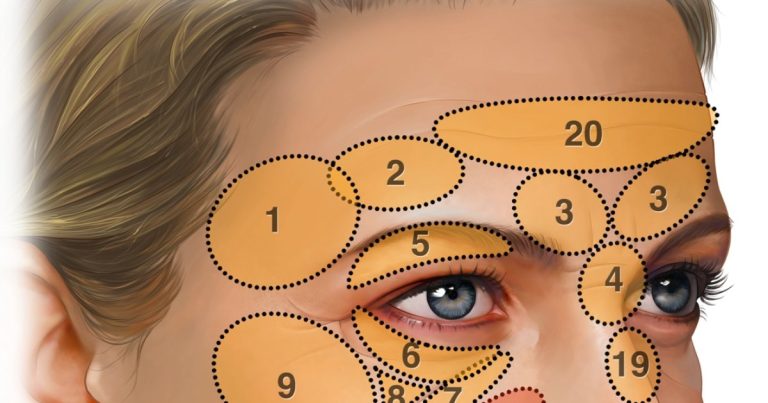
Facial concerns can look similar but have different underlying causes, which is why assessment starts with anatomy and diagnosis rather than a “one procedure fits all” approach. For example, upper eyelid heaviness may relate to brow position, eyelid skin excess, or eyelid support; facial asymmetry may be developmental, hereditary, or related to prior injury or surgery; and nasal concerns may involve surface shape, structural support, and/or breathing-related factors.
Where helpful, clinical photography and optional imaging may be used to support planning and communication. These tools can assist with shared understanding of priorities, but they do not predict exact outcomes. Surgical options are discussed with realistic boundaries, including alternatives, limitations, recovery, and risks, and results vary between individuals.
Facial Surgery by Area
Facial surgery includes a broad range of procedures that may be considered for age-related change, hereditary or family traits, developmental variation, trauma, previous surgery, or reconstructive needs. Many concerns overlap in appearance, so planning starts with a differential assessment of anatomy and function to clarify what is actually driving the issue. With experience across aesthetic and reconstructive facial surgery, Dr Teixeira can discuss a broader range of surgical pathways where appropriate, supporting informed decision-making with realistic boundaries, including alternatives, limitations, recovery, and risks. Results vary between individuals.
Upper Face (Brow, Forehead, Temporal, and Endoscopic Options)
Brow Lift – May be considered when brow descent contributes to upper-face heaviness, asymmetry, or a tired appearance. Planning considers brow position, hairline, and scar placement.
Learn more: Brow Lift.
Endoscopic Facelift / Upper–Midface Options – Endoscopic approaches may be considered in selected patients to address early changes through the upper face and midface, where subtle lift and contour refinement is the goal.
Learn more: Endoscopic Facelift.
Eyelid Surgery (Blepharoplasty)
Upper Blepharoplasty – May be considered for upper eyelid heaviness or excess skin, with attention to eyelid function and brow position.
Learn more: Upper Blepharoplasty.
Lower Blepharoplasty – May be considered for lower eyelid contour change, prominence of fat, or skin laxity, with planning focused on eyelid support and long-term lower-lid position.
Learn more: Lower Blepharoplasty.
Nose and Breathing
Rhinoplasty – May be considered for nasal shape concerns, structural support, breathing-related issues, or a combination. Planning considers long-term support and function as well as appearance.
Learn more: Rhinoplasty.
Cleft Rhinoplasty – May be considered for cleft-related nasal differences where structure, symmetry, scar tissue, and breathing can all play a role. Planning is individualised and may involve staged treatment depending on anatomy and prior surgery.
Learn more: Cleft Rhinoplasty.
Lower Face and Neck
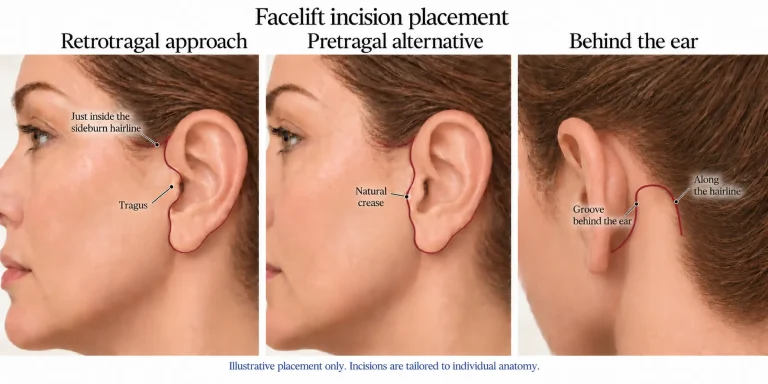
Facelift – May be considered when facial contour change relates to shifts in support over time, with planning tailored to the pattern of change and anatomy.
Learn more: Facelift Surgery.
Neck Lift – May be considered when the neck is the dominant concern (laxity, banding, or fullness under the chin), including deeper anatomical contributors.
Learn more: Neck Lift.
Volume and Contour
Facial Fat Transfer – May be considered when volume loss or contour imbalance contributes to facial change, either alone or alongside other procedures.
Learn more: Facial Fat Transfer.
Lips
Lip Lift – May be considered when upper-lip length and shape affect facial balance or tooth show, depending on anatomy and scar placement.
Learn more: Lip Lift.
Male Facial Surgery
Male Facial Surgery – Planning aims to preserve masculine proportions, with attention to skin thickness, hairline patterns, and scar placement.
Learn more: Male Facial Surgery.
Reconstructive Facial Surgery
ome patients seek assessment for reconstructive concerns related to injury, previous surgery, skin cancer treatment, or congenital and developmental conditions such as cleft lip and palate. Where appropriate, options are discussed based on anatomy, function, and reconstructive priorities.
Consultation, Safety, and Informed Consent
A consultation includes discussion of goals and priorities, review of relevant medical history, and an assessment of facial anatomy, balance, and (where relevant) function. Recommendations are based on diagnosis and what is anatomically appropriate, and may include surgical alternatives, non-surgical alternatives, or no treatment if surgery is not advised. Recovery expectations and procedure-specific risks are discussed to support informed decision-making.
Our Melbourne Clinic
Unveil Aesthetics and Plastic Surgery is located in Ivanhoe East, Melbourne, around 10 kilometres from Melbourne’s CBD. The clinic is designed to support a calm, professional experience from consultation through to post-operative review, with an emphasis on clear communication and careful follow-up.
For patients travelling from interstate or regional Victoria, the team can help coordinate practical details such as appointment timing and follow-up scheduling, while ensuring clinical review remains appropriate and safe.
Next Steps
If facial surgery is being considered, the next step is a consultation to clarify what is driving the concern and what options are most appropriate for the individual anatomy and goals. In many cases, a referral from a GP or treating specialist is recommended, and may be required depending on the circumstances.
For patients with prior facial surgery, injury, skin cancer treatment, cleft-related care, or previous non-surgical treatments, bringing relevant documentation can assist planning. This may include previous imaging or investigations, specialist letters, operative reports, and clinical photographs where available.
About Dr Rodrigo Teixeira
Dr Rodrigo Teixeira (FRACS) is a Specialist Plastic Surgeon (AHPRA MED0001650480) based in Melbourne. His practice focuses on facial plastic surgery, including rhinoplasty, facelift, and blepharoplasty, with an emphasis on balanced aesthetic refinements and functional considerations where relevant.
He is a faculty member of the Mendelson Advanced Facial Anatomy Course (MAFAC) and works at the Royal Children’s Hospital Melbourne performing reconstructive facial plastic surgery. Learn more about Dr Rodrigo Teixeira and his qualifications.
Facial Surgery FAQs
Suitability is assessed on an individual basis. Some patients seek facial surgery to address ageing-related changes, while others have hereditary or developmental traits that affect facial harmony. A consultation allows for a detailed assessment of your anatomy, concerns, and goals.
A GP referral is required before booking any cosmetic surgery. Patients must attend two consultations (one in person with the operating surgeon), undergo screening for psychological readiness if indicated, and observe a minimum seven-day cooling-off period.
Yes, if clinically appropriate. Procedures may be combined, for example, a facelift with a neck lift or eyelid surgery, to address related concerns. This is planned carefully to match your anatomy, goals, and overall safety.
Recovery differs depending on the procedure and individual healing factors. Swelling and bruising are expected in the early phase and improve gradually. Tissues continue to settle over several months. Detailed aftercare instructions and follow-up are provided.
All surgery carries risks. These may include swelling, bruising, temporary changes in sensation or asymmetry, and other procedure-specific considerations. These will be discussed in your consultation and outlined on each relevant service page.
Non-surgical treatments may improve skin quality or refine contour in selected cases. However, they do not reposition deeper tissue layers. Your treatment plan will consider all appropriate options based on your goals and clinical assessment.