

Upper Blepharoplasty Melbourne
(Upper Eyelid Surgery)

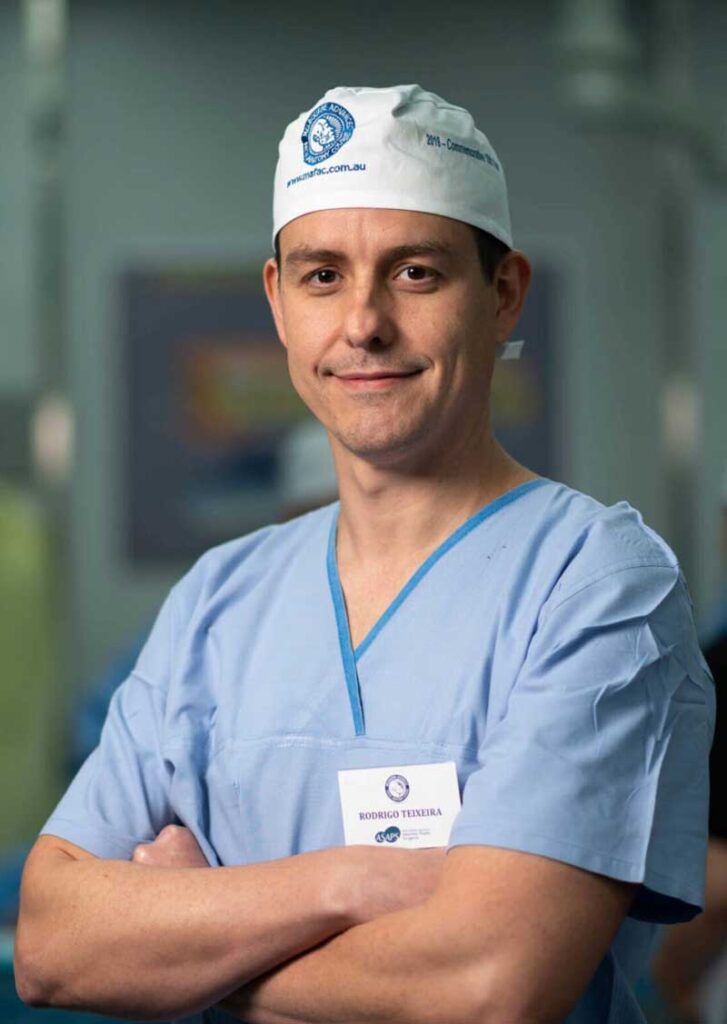
Upper blepharoplasty (upper eyelid surgery) in Melbourne with Dr Rodrigo Teixeira (FRACS), Specialist Plastic Surgeon, may be considered when excess upper eyelid skin contributes to hooding, heaviness, or a less defined crease. Planning is tailored to individual anatomy and priorities.

What is Upper Blepharoplasty (Upper Eyelid Surgery)?

Upper blepharoplasty is a surgical procedure that may be considered to address excess upper eyelid skin and, in selected cases, adjust underlying tissue (such as muscle or fat), depending on individual anatomy. Ageing, genetics, and skin quality can contribute to upper eyelid heaviness or skin folds, which may change the appearance of the eyes or cause discomfort.

In some cases, overhanging upper eyelid skin may also affect the upper field of vision. The procedure aims to address the contributing anatomical factors and refine upper eyelid contour. Upper blepharoplasty may be considered for functional and/or appearance-related reasons, depending on individual circumstances.

For an overview of eyelid surgery options, see Eyelid Surgery in Melbourne (Blepharoplasty).

Dr Rodrigo Teixeira (FRACS) specialist plastic surgeon in Melbourne

Learn more about Dr Rodrigo Teixeira, FRACS

Common upper eyelid concerns may include:

  • Excess upper eyelid skin that sits closer to the lashes or makes the crease less defined
  • A “heavy” feeling in the upper lids, sometimes more noticeable later in the day
  • Needing to raise the eyebrows to feel the eyes look more open, sometimes with forehead tension
  • Makeup challenges such as eyeshadow appearing less visible, or eyeliner/mascara transferring onto the upper lid
  • Asymmetry in upper lid skin folds or crease definition between sides

Our Upper Blepharoplasty Surgery Techniques

Skin Excision (with or without Orbicularis Resection)

Skin excision is a common foundation of upper blepharoplasty for patients with dermatochalasis (excess upper eyelid skin). The procedure may involve a limited skin-only reduction or, in selected cases, removal of a narrow strip of the orbicularis oculi muscle to reduce heaviness and bulk. The extent of skin and muscle adjustment is tailored to eyelid thickness, redundancy, and crease anatomy, with the aim of achieving balance between improvement and a natural appearance.

Fat Management and Volume Preservation

A subtle fat bulge on the inner aspect of the upper eyelid may be treated with conservative fat adjustment. In selected patients, modern approaches often prioritise fat preservation or repositioning to reduce the risk of postoperative hollowing, particularly when there is already upper eyelid volume loss or a deep upper eyelid sulcus. Where appropriate, fat may be repositioned to support a smoother upper eyelid contour rather than simply removing tissue. The intention is to maintain structure and avoid an over-resected appearance, recognising that outcomes vary.

Tarsal Fixation (Crease Anchoring)

Creating a stable, natural-appearing eyelid crease is an important part of upper blepharoplasty for some anatomies. This may be achieved by anchoring the skin–muscle layer to deeper structures such as the tarsal plate or levator aponeurosis, so the crease moves naturally with eyelid elevation. This approach can be relevant when crease definition is limited, in some Asian eyelid procedures (double-eyelid creation), and in selected revision cases where crease definition has been lost. The aim is improved crease definition and more consistent crease formation during healing, recognising that results vary.

Adjunctive Eyelid Ptosis Repair

Where true upper eyelid ptosis is confirmed (drooping related to reduced lifting function), ptosis repair such as levator advancement or aponeurosis repair may be discussed alongside blepharoplasty. In selected cases, addressing ptosis at the same time may improve eyelid height and symmetry and can be relevant to function. Suitability depends on examination findings and individual anatomy.

Dr Teixeira’s Surgical Approach to Upper Eyelid Blepharoplasty

Dr Rodrigo Teixeira is a Specialist Plastic Surgeon (FRACS) with training in aesthetic and reconstructive plastic surgery. His approach to upper blepharoplasty is anatomy-led and considers how the eyelid, brow, and surrounding tissues interact. Surgical planning aims to balance form and function and maintain a natural eyelid contour.

Each procedure is tailored to individual anatomy, functional considerations, and treatment goals. Techniques may focus on tissue preservation, crease stability, and proportion, with attention to natural movement and eyelid comfort. Outcomes vary, and all decisions are guided by clinical findings and surgical safety.

Dr Rodrigo Teixeira

Upper Blepharoplasty Risks and Complications

Upper eyelid surgery carries potential risks, and it is important to understand possible effects and complications before deciding to proceed.

Common or temporary effects may include:

  • Swelling or bruising around the eyes
  • Mild bleeding or oozing
  • Blurred vision or light sensitivity (temporary)
  • Minor asymmetries or irregularities during healing
  • Dry eyes or mild irritation

Less common complications may include delayed wound healing, visible scarring, infection, uneven crease formation, incomplete eyelid closure during early healing, or the need for revision surgery.

Rare complications can include bleeding, eyelid malposition, injury to deeper eye structures, or changes in vision. All potential risks are discussed during consultation to support informed decision-making.

Upper Blepharoplasty: What to Expect From Initial Consultation to Recovery

Initial Consultation

The process begins with a comprehensive consultation, during which Dr Teixeira assesses the upper eyelids, brow position, eyelid crease anatomy, and eyelid support, alongside overall health and medical history. This supports a plan aligned with individual anatomy and priorities. Patients are encouraged to ask questions and discuss options, limitations, and what may be realistic to achieve through surgery.

For patients seeking cosmetic surgery, two consultations and a minimum 7-day cooling-off period apply before proceeding, in line with Medical Board of Australia requirements.

Day of Surgery

On the day of the procedure, the clinical team explains each step and confirms the surgical plan. Upper blepharoplasty may be performed in the clinic under local anaesthetic or, in hospital, with sedation or general anaesthetic, depending on the plan and comfort considerations. The operation commonly takes around one to two hours, followed by a short monitoring period.

As the anaesthetic wears off, tightness, mild stinging, or tearing may occur and often improves with cold compresses and lubricating drops. Written aftercare instructions are provided, including guidance on head elevation, avoiding rubbing the eyes, and arranging support for the journey home.

Recovery and Aftercare

Swelling, bruising, and a feeling of tightness or heaviness around the upper eyelids are common during the first week and gradually improve as healing progresses. Cold compresses, eye lubricants, and sleeping with the head elevated may help comfort and swelling in early recovery.

Stitches are typically removed within five to seven days, and many patients return to light daily activities or office work within a week, depending on healing and work demands. The eyelids may feel slightly dry or sensitive for several days. As swelling settles, the appearance of the upper lids may continue to refine, and tissues will continue to change over time. Follow-up appointments support monitoring and tailored aftercare guidance throughout recovery.

Recovery timelines vary and are discussed based on the planned technique and individual healing factors.

FAQs

The procedure involves removing or repositioning excess skin, muscle, and sometimes fat from the upper eyelids through fine incisions placed in the natural crease, allowing for subtle contour refinement and minimal visible scarring.


Upper blepharoplasty aims to improve eyelid definition and reduce heaviness, not alter the natural shape or expression of the eyes.

Crow’s feet form in the outer eye region and are not corrected by upper blepharoplasty alone. They may be improved with complementary treatments such as skin resurfacing or other non-surgical options.


Yes, if excess upper eyelid skin partially blocks the upper field of vision, removing this skin can relieve heaviness and improve visual function. A Medicare item may apply in documented functional cases.

Swelling and bruising peak in the first few days and settle within 1–2 weeks. Most people return to office work after a week, though subtle changes continue for several months.

Light eye makeup is usually safe after about two weeks, once the skin has healed. Strenuous exercise should be avoided for 2–3 weeks, or until your surgeon advises.

Results are long-lasting, but natural ageing and changes in skin elasticity continue over time. Some patients may seek refinement many years later.

Costs vary with surgical complexity and anaesthesia. Medicare or private insurance may contribute if there is documented visual obstruction meeting specific criteria (MBS 45617).

A secondary procedure may be considered if tissue changes, scarring, or further skin laxity develop over time. Suitability depends on tissue quality and individual healing.

Upper Eyelid Surgery Blog

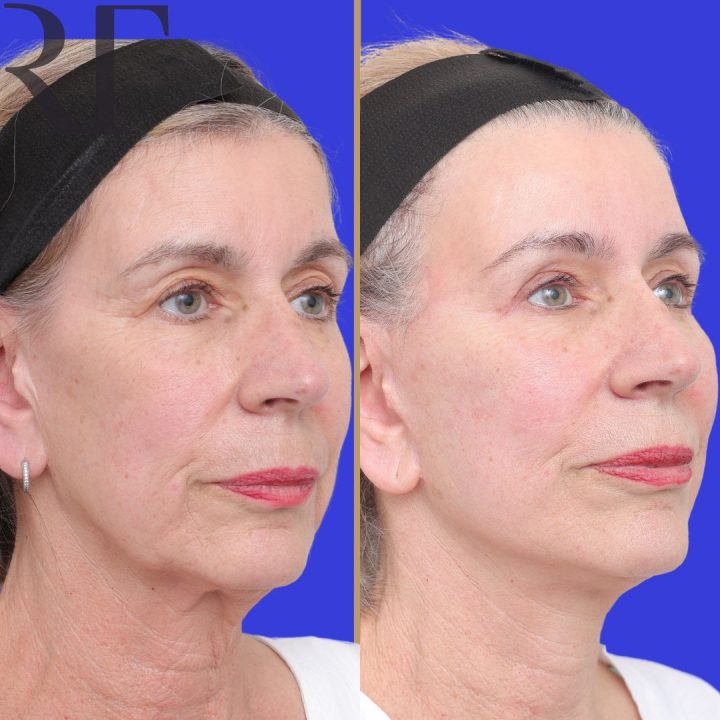
Melopasty - Deep Plane Facelift before and after photos

What Is a Deep Plane Facelift and How Is It Different?

Learn how facial fat transfer may complement facelift surgery to restore volume and facial balance. Dr Rodrigo Teixeira discusses this combined approach in Melbourne.
Read More →
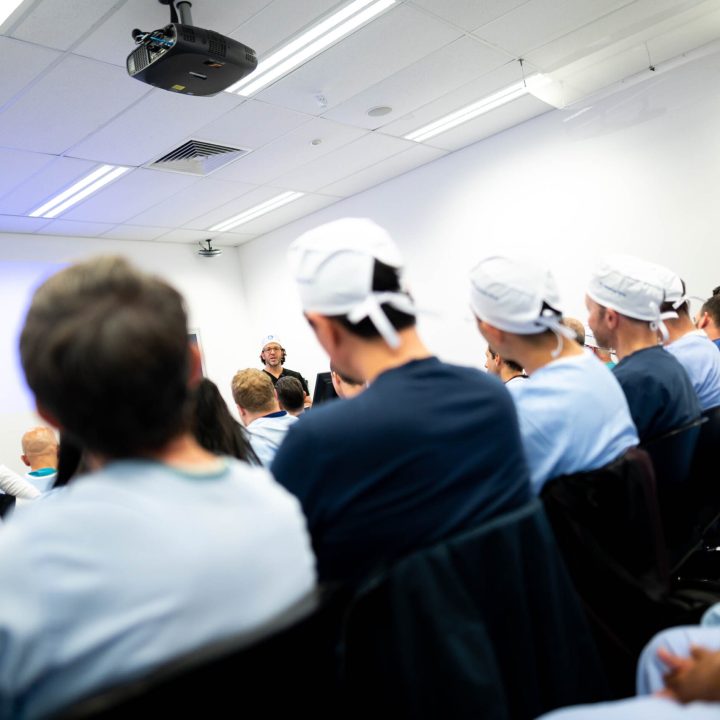
2019-MAFAC-735-scaled.jpg

Facial Cosmetic Surgery Global Education and Surgical Insights from Amsterdam 2025

Learn how facial fat transfer may complement facelift surgery to restore volume and facial balance. Dr Rodrigo Teixeira discusses this combined approach in Melbourne.

Read More →
Maximising-FaceLift-SQ500.jpg

Facelift Surgery with Fat Transfer: Addressing Facial Volume Loss

Learn how facial fat transfer may complement facelift surgery to restore volume and facial balance. Dr Rodrigo Teixeira discusses this combined approach in Melbourne.
Read More →
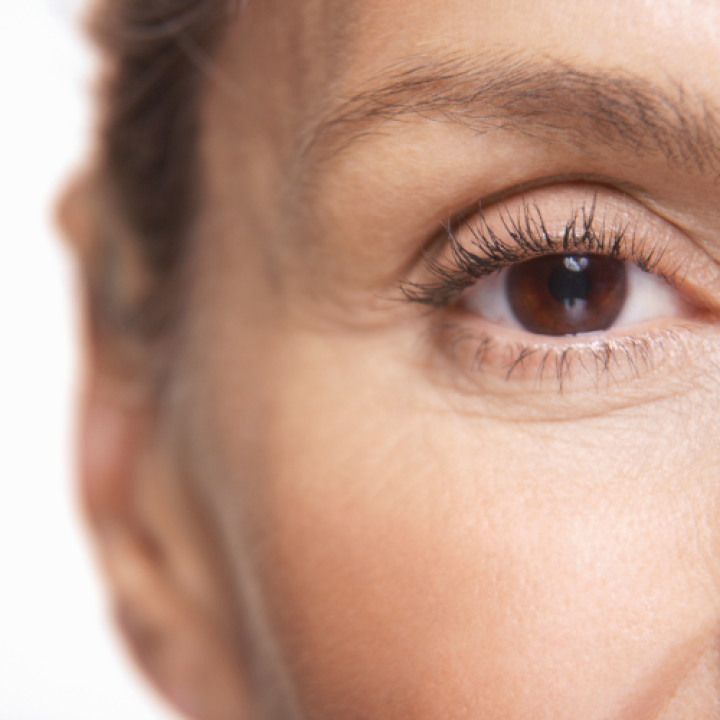
Procedure-Eyelid-500x500-1.png

Exploring Upper Eyelid Surgery: Common Concerns, Timing, Expectations and Recovery

Upper eyelid surgery, or upper blepharoplasty, removes excess upper eyelid skin and, when appropriate, adjusts underlying tissue to refine the natural lid contour. People often ...
Read More →
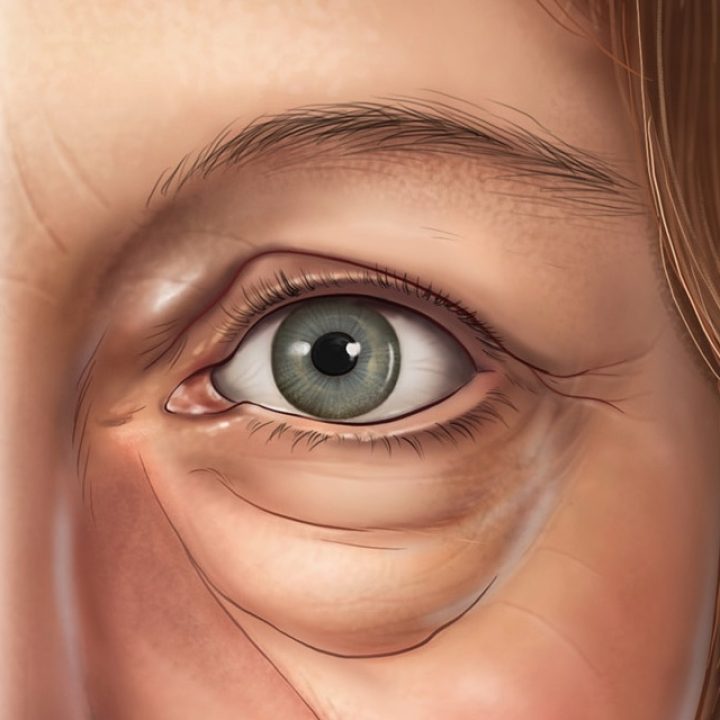
upper and lower eyelid skin excess, muscle laxity and fat pad prominence

Lower Eyelid Surgery: Under‑Eye Bags & Tear Trough Treatment Guide

Many people notice changes under the eyes, puffiness, hollowing or loose skin, but are unsure whether these concerns are best managed with non‑surgical treatments or ...
Read More →
Dr-Rodrigo-Teixeira-at-MAFAC-Mayo

Teaching, Learning and Deep Plane Facelift Surgery: What MAFAC Has Taught Me

The Mendelson Advanced Facial Anatomy Course (MAFAC), previously known as the Melbourne Advanced Facial Anatomy Course, is much more than a course. It is a ...
Read More →
Scroll to Top